Holywell Street

Celtic, Music and Subculture for lads and lassies

Author: Holywell Street

  • Don’t Stop the Dance

    Celtic v Aberdeen – 14 September 1985

    The above song recorded by Bryan Ferry was playing on the tannoy before the match.  Every time I hear it now, my vivid memory shoots to that day.

    The match was my first day out with crew against Aberdeen, I had been at a few games with crew on the lead up to this.  I remember seeing calling cards going about stating:  “Congratulations you just have met the Celtic Soccer Trendies” although the mob were chanting “Celtic Soccer Crew” so we seemed to have settled on CSC.

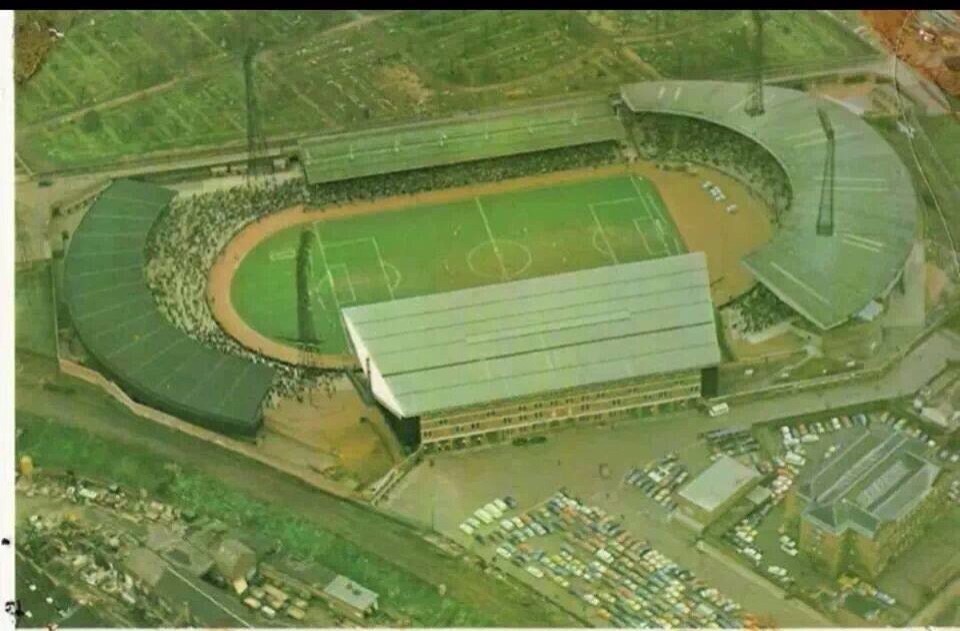
    I got to know faces from the terraces over time, they told us we were occupying the bottom of the main stand at Celtic Park next to the old Rangers end (the away end) so a few of us headed there.  As this was against the famous Aberdeen — it was always going to be interesting especially with the fact the Aberdeen Soccer Casuals (ASC) had been coming to Glasgow for a few years running a mock and were considered the originals of the early-80s

    This was an era where you could pay to get into the match and you could choose where you wanted to be.  So, we get in quite early and take up our seats in the bottom tier of the main-stand.  A few impressive faces we knew start coming in from the off — numbers were increasing, we were always crowd watching — checking out the latest styles.  The threads had moved on from sportswear to cords and footwear; also Paisley pattern shirts, fishing jackets were the new chosen attire a few of the crew were carrying the wee black brolly accessory.  Hair was now short!

    This was a total buzz being among the likeminded lads.  Celtic’s own brand of this counterculture was up and running, the new style stemming from football.  I was wearing a said “paisley” shirt buttoned up to the top with cords slit at the bottom and desert boots; boys were becoming men.  The Celtic fans thought they had got rid of their casuals due to the fact they couldn’t locate the ski-hats on the terraces anymore; but what was developing opposite them in the main stand was a bigger crew that had evolved.

    Some Aberdeen supporters took up seats in the row at the back of us wearing their red and white scarfs, they must have thought they would have the comfort of a nice view from sitting down instead of the terracing; until the mutton brains saw us.  There was a slightly odd feeling to this match as it was days after our legendary manager Jock Stein had lost his life in Cardiff whilst managing Scotland.  There was a minutes silence before kick-off that was observed impeccably by both sets of supporters, also a top gesture was displayed from the Aberdeen fans as they laid out a red and white wreath behind the goals in memory of Big Jock.

    During the match we were looking over at the away end to locate the Aberdeen casuals among their support: they had brought a lot of fans down as they always done.  The  league was usually a race between us and them so they would always fill one half of the old away end.  Celtic took the lead in the first-half and the stadium erupted we were all bouncing up and down in main stand chanting: “Celtic Celtic Soccer Crew” hoping to be noticed, a few of our lads couldn’t resist flipping back and landing on the laps of the Aberdeen mutton brains in the back row of the bottom section.  Some of the Celtic lads were pretending to be stuck as they tried to push us off “get aff” in that Oberdeen occent was the cry, while signalling to the police.

    After all this had calmed down we became aware to our right that a load of ASC had come into the no-mans-land (which was a wee section of terracing that was usually kept clear between the away end and the main stand) but they had moved in to check us out.

    To give them credit they had big numbers but we started chanting at them they started hand signalling mocking the size of us compared to them, they did have a few more older lads, but we knew that was always the case in these early days.  Aberdeen were smartly turned out wearing a lot of darker colours looking very anti-suss.  Just then the police moved into them and pushed the ASC ushering them back to the main part of the away end.

    Aberdeen equalised late in the game which was about to become a flat beer moment, with this being a top of the table clash and of course the smuggy mutton brains in our face chanting: “Oberdeen Oberdeen Oberdeen” like a theme tune to the depression!

    With minutes to go, as was the Celtic way; Brian McClair scored the winner (2-1), with utter delirium in the ground we tried to accidently fall back on the muttons in the back row again but they were running to get out the stand — a poor show as we only wanted a kiss and a hug!

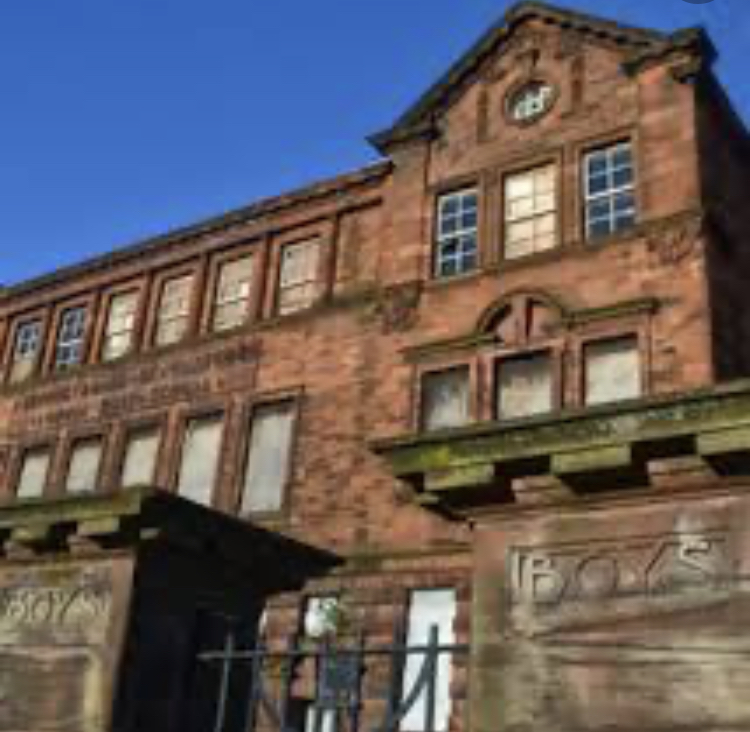
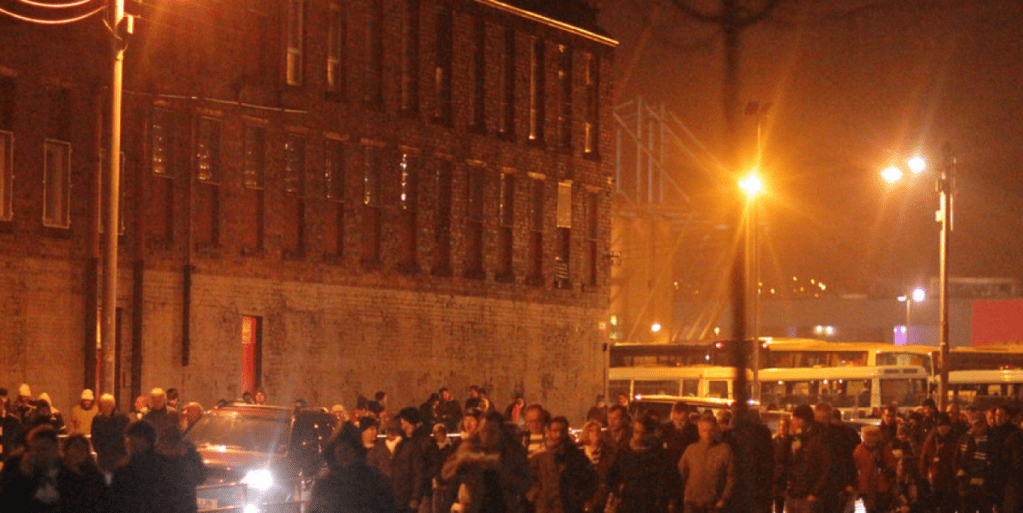
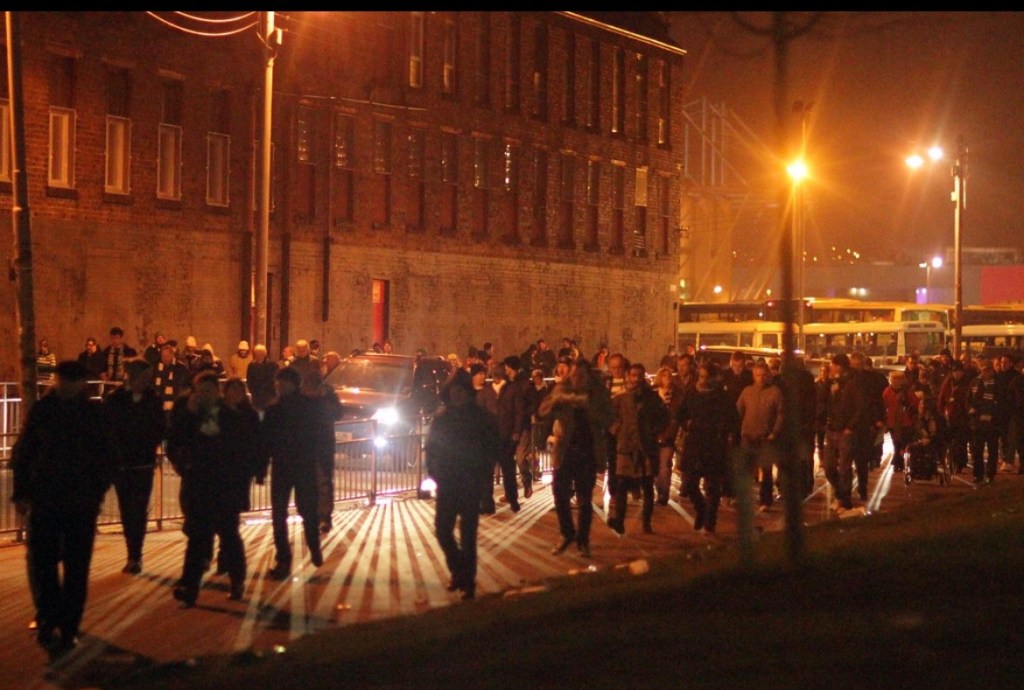
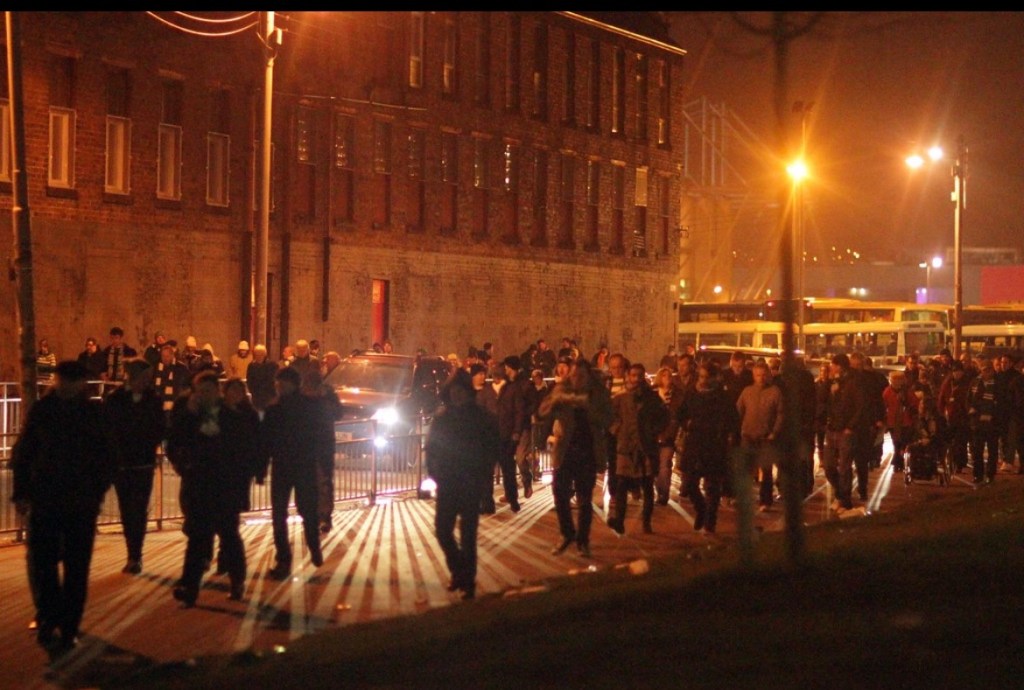
    Celtic won the match; it was now game on with the ASC, we left the ground together and tried to turn left passed the old Celtic shop but we noticed a barrier was up to stop this so we headed straight down and gathered at the bus stop opposite the London Road Primary school.  There was was a lot Celtic fans leaving the ground moving both ways on London Road, about five minutes later we notice the mounted police moving from the away end towards us, that was when we knew they had the away fans and the ASC with them as they tried to keep them at the other side of the road.

    FC4656B7-4CD0-4B11-B6E1-0211044ADD10

    Given the amount of scarfers it was quite easy to mingle so we went on the move towards Aberdeen as we became face-to-face with them, they used their experience from fighting our fans previously and they charged at us first, backing us off, also fans with their kids fled as that was the only option they had.

    We gathered again across the street just up from the bus stop and we moved up London Road.  A few of our main faces grabbed us and we get switched on.  This time we lead the charge at Aberdeen the mix of apprehension and adrenaline at 15 years-old and we’re having it toe-to-toe with the ASC, this is Glasgow and it’s Celtic at home so we aren’t budging.  There is a few hundred going for it but it was lucky if we could land more than a couple punches. I can also recall seeing the “infamous” golf ball with nails in it flying through the air as well as being cracked with a few black brollies. I recall taking a few dull ones but not feeling a thing this became quite an addiction from this season onwards.

    A few of our lot were getting grabbed by the plod and being told it was our last warning, due to the big numbers back then we outnumbered the police on a big scale, it was a nightmare for them.

    The plod managed to contain us and the ASC on either side of London Road as we walked further towards Bridgeton, we were now just posturing and getting a good look at the ASC, you could check out their look, no bright colours, very anti-suss with a lot of obscure Adidas trainers.

    Out of nowhere someone in our mob lobbed a bottle of Irn Bru into the middle of the Aberdeen mob and with that we followed through over to them. They certainly stood their ground and again it’s kicked off, nobody gets a result as we are all eventually split.

    This was my first real taste of it and I was hooked on all of it – Don’t ever Stop the Dance.

    In memory of Rab Mcgivern.

    60D95754-B847-4F02-8613-04A4877E3A44
    Celtic Park 1980’s
  • Brick by Brick

    —J. J. Whelan

    Harry was a bricklayer by trade. He had hands like spades and a back like scaffold— the kind of bloke you’d see with his sleeves rolled up, covered in mortar, laughing with the lads. On the outside, his family presented a picture of proper working-class respectability: a clean house, ironed shirts, and well-behaved kids.

    But inside those four walls, it was chaos.

    His dad drank heavily, always with a can in hand. Arguments were nightly and fierce, with his mum throwing insults as often as she received punches. It was chaos disguised as normal. Harry and his sister learned early on that what happened in their house stayed in the house—no exceptions. And Rule Two was clear: don’t cry unless you wanted to catch a backhand.

    The house might have been built of solid bricks and mortar, but Harry’s childhood was constructed on shifting sands—dangerous and full of hidden cracks.

    He left home as soon as he completed his apprenticeship, moving into a small flat where he could find peace and quiet—no fists, no shouting. He poured himself into work, quickly rising to the position of assistant site manager by twenty-five and becoming a full manager not long after. He was reliable, respected, and a grafter through and through.

    But what no one knew—or so he thought—was that Harry had started drinking just to function. It began with a hip flask, then spirits in sports bottles, turning a nightcap into morning medicine. For twenty years, Harry walked a precarious line between stability and collapse, keeping everything stitched together with humor, hard work, and lies.

    He met Fiona at a friend’s wedding. She was a bright spark—smart, stunning, and sharp as a tack. An educated woman who worked as an accountant. They got married, had three kids, bought a house, and parked two cars in the driveway. It should have been enough, but it was never enough for Harry.

    The obsession with drink never left him; it became a necessity to help him function daily.

    He drank in secret, believing he was clever—stashing a toothbrush in the glove box and breath spray in every drawer. But Fiona noticed the slips, the distance in his eyes, and the unpredictable moods. And the kids? They always know, even when they don’t fully understand.

    Then came the promotion. Harry was being lined up for a directorship—a life-changing opportunity. But the night before the final meeting, he disappeared on a three-day bender. He woke up in a hotel room filled with remorse and shame. That was the end of his career; the company quietly let him go.

    Fiona didn’t. She left with the kids, taking the house, reclaiming her peace, and regaining her power.

    The divorce papers cited mental torment.

    Harry was alone. No wife, no job, no kids—just a flat full of silence and old ghosts. He hit rock bottom one Tuesday night in January, standing on a bridge in Glasgow, staring into the river below and thinking the world would be better off without him.

    But he didn’t jump. Instead, he went home and called the number he had stuffed in a drawer years earlier: Alcoholics Anonymous.

    The first meeting was a blur. Men and women sat in a hall, laughing and joking while sipping weak tea and sharing their truths. Real truths—the kind Harry had buried deep under years of banter and ego. He nearly left, but something—perhaps shame, perhaps hope—made him stay.

    That was six years ago.

    Now, Harry is clean and sober, taking it one day at a time. He sponsors others, chairs meetings, and shares his story in church halls, prison cells, and hospital rooms, wherever people need to hear that it’s not too late to start over.

    He writes letters to his kids, and sometimes they reply. Fiona nods when she sees him now, and that nod means everything. He shows up, listens, and owns his past—every lie, every loss, every drop.

    He says:

    “I built walls for a living, but the drink built one around me that nearly buried me. Now I build bridges, brick by brick.”

  • Gallowgate Gangster

    By J. J. Whelan

    Franco was a bully from the beginning. Born into a hard-working Irish-Italian Catholic family in the East End of Glasgow, he was one of eight siblings crammed into a tenement where faith, discipline, and hard work ruled. But Franco? He played by his own rules.

    In primary school, he was already feared, terrorising classmates for their lunch money and snatching their toys with a smirk. By secondary school, when he bothered to show up, the stakes had grown. Mobile phones, branded trainers, and cash all fed his growing appetite for thrills, especially alcohol.

    He left school early and picked up a trowel to work alongside his dad on building sites, but he never stuck with it for long. Three days on, four days off. The rest of his time was spent chasing chaos, mostly in the name of football and alcohol. He followed a certain famous team from Glasgow, not for the love of the game but for the fights that often accompanied it.

    He lived for clashes with rival gangs, with the police, and even with his own crew if they looked at him the wrong way. His adrenaline pumped when people talked about a fight; it wasn’t normal behavior for anyone, but that’s where he felt most alive, his break from the reality he lived. He wore his banning order like a badge of honor—he received this order for not being a grass against any of his crew. He was banned from every football ground in Britain for three years. What a boost to this egomaniac, alcoholic bully, who only cared about himself and his casual clothing.

    His stories became legendary in the pubs—bruised knuckles raised like trophies, teeth knocked out like medals, and a mouth full of scars. Franco’s week was short-lived, much like his wages; by Monday, he was tapping more than a blind man’s stick just to get through the weekend’s exploits and to avoid a crash landing, seeking some respite from his anxiety. But his ego was brittle, and his drinking worsened. Bravado turned into bitterness.

    He moved on and married a pretty, sophisticated young woman whom he thought would solve his problems; she would curb his alcohol intake and calm his passion for violence. He was blessed with two beautiful daughters, yet he still couldn’t walk away from the madness.

    Then came the turning point. One morning, bloodied and hungover, on the brink of losing everything, he saw the light. He sat down at the kitchen table and wrote two letters—one to his wife and another to his daughters. Whether it was the sight of his daughters’ tears or the echo of his wife’s silence, something snapped inside him.

    Franco walked into an A.A. meeting, unsure if he’d walk back out. He thought he could do this on his own, but within two weeks, he was back in the madness. This time, his wife had had enough; she packed the kids and left for her mother’s house. Franco was distraught. His ego and pride were battered, and feeling sorry for himself, he began to reflect on his wrongdoings. 

    He swallowed his pride and attended another A.A. meeting, this time willing to do whatever it took to overcome his problem and win his family back. This time, he stayed. One day at a time, one foot in front of the other.

    Now he’s twenty years sober—a family man, a working man, and most of the time, a man at peace.

    But the bully still lurks in the shadows. The rage still rises like bile. And when it does, Franco breathes, remembers, and works to keep that darkness locked away. 

    Because he knows better than anyone that the gangster never fully dies; he just learns to live with the man he has become. 

  • Passing By

    Jimmy the Pipe was a curious character. Sporting a black fleece and flat cap, sitting drinking rum and peppermint tooting on his Golden Virginia in Andrew’s Hotel Bar most days. He also had that red weather-beaten face from working outside on the building sites for many years. It always kind of reminded me of strawberry, mainly the rough bits at the bottom where the pips were closer together.

    The Hotel bar was centred in the Scottish Borders town of Soor Plooms and was shared by tourist residents and the locals which was a bit of a clash from time to time. The front of the hotel had one of those revolving doors, as you walked through the bar was to the left and the restaurant to the right.

    The hotel was popular especially for tourists from Yorkshire passing by. It was circular shaped, fully carpeted with long couches and pictures of local landscapes on the wall. The place was very smart unlike the other bars in the area. We named the pub Andrew’s Bar only due to the fact our friend Andrew worked there, which was clever stuff. Andrew was one of our crowd and would let us drink in the bar. He knew a lot of us were underage but we were a unit and it was work, rest and play with all of us.

    The town had that squalid gossip vibe that usually celebrates degradation like the place is falling to bits. Also, if you didn’t play or indulge in rugby you were a bit of an outcast; especially being from a working-class background. Personally, I liked to celebrate stupidity and absurdity when I lived in the town, I didn’t like the place. This was much reflected in the schooling system. I always had this wistful resignation, it felt their teachings were more selective to certain pupils. This made most of us malleable with passivity. I didn’t want what they had to offer, I had music, football and camaraderie. Most of the time I just wanted to go home.

    It was a long hot summer in 1986 just before the World Cup in Mexico. Celtic had just won the league snatching it from Hearts on the last day of the season. Housemartins had released “Happy Hour” what a cool band they were, left-wing football lads who we could relate to.

    What a good place to be
    Don’t believe it
    ‘Cause they speak a different language
    And it’s never really happened to me
    Don’t believe it, oh no
    ‘Cause it’s never really happened to me (it’s happy hour again)
    Don’t believe it, don’t believe it (it’s happy hour again)
    Don’t believe it
    It’s happy hour again, and again, and again
    It’s happy hour again, and again, and again
    It’s happy hour again, and again, and again
    It’s happy hour again

    Normally there would be a crowd of mainly 16-year-olds that sat around the bar in Andrew’s Hotel. We would tell Jimmy stories that were outrageous, bizarre and never factual. He would always answer with an: “ayeee?” giving a kind of patronising expression. Jimmy seemed to just sit there consumed in his little personal nirvana giving a nodding dog response to us. However, if he was riled by anything he would eventually combust much like a high voltage capacitor.

    There was a pub up the street named The Hope Tap, a miserable run-down cess pit usually occupied by heavy metal types and goths. We informed Jimmy that Dukes Barton had just taken over the joint and there was half-price rum and free custard pies on the bar; to which he gave his classic response: “Ayeeeee?!”

    The humorous theme in Andrew’s bar was often centred around “custard pies” the subject title was originating for a local lad named Derek Barton. Tommy had also decided to christen him “Dukes Barton” this was all in honour of his face resembling a margarita pizza or of course mini custard pies. Dukes just clashed with our personalities his music appreciation consisted of the likes of Def Leopard or Whitesnake. Most days you would see him with his sleeves-rolled-up working on the same car outside his house, each to their own and all that. When he drove past us he would salute our mob with the middle finger. This was slightly bizarre as we never had any verbal contact with him. I suppose you could put it down to the jealousy symptom of anger.

    Dukes’ auld fella was chief inspector Raymond Barton of the local cop shop. A talk wiry thin bloke in the mould of John Cleese with a thick black moustache and those shaded specs. He always seemed to be chewing gum probably thinking he’s more of a Brooklyn cop than a Borders policeman. Young Dukes’ would assist him by prowling the pubs and reporting underage drinkers. Therefore, Tommy felt no shame in christening his label. Luckily Dukes never ventured up to Andrew’s joint.

    Jimmy the Pipe seemed to swallow the story regarding the rum and custard pies, so off he toddled to the Hope Tap. Around the same time, the evening tourists came into Andrews’s bar, none of which seemed to be under the age of 60. Andrew was giving them the small talk welcome with wind-ups asking where they hailed from, “Morley int Leeds” one answered, with his balding flopping teddy boy quiff and red whisky nose.

    The Yorkshire chap then quizzed: “what types a lager ye got mate?” Andrew replied pointing his finger around the bar “Tenants; Carlsberg; Stella; Red Stripe; Custard Pies; McEwans!” The outspoken Yorkshireman seemed to clock Andrew’s hidden wind-up, giving a confused look: “Coooostard pies??” Andrew had to save the embarrassing scene by correcting him: “no, carling I said”. These were the kind of humorous pranks we would encourage out of severe boredom.

    Tommy, I and the young crew decided to take a stroll up the street on a pub crawl. Tommy was a character, a real live wire, cool chap and loyal friend, popular with the ladies and never a dull moment well, apart from his choice in football teams … The Rangers.

    As we arrived at the Hope Tap we were met with some altercation involving Jimmy the Pipe. He had the barman by the collar suggesting he had been “ripped aff”

    “Free custard pies on the bar and half-price rum! A fellie was in here earlier and had that!” Jimmy was aggressively claiming.

    The barman was the double of Gerry Adams wearing glasses, a white shirt and a thin red leather tie. Gerry was defensively claiming “we don’t do custard pies in here and certainly no half-price spirits!”

    JTP proceeded by pulling at Gerry’s red leather tie asking “are e wattin this rammed up yer arse ya bastirt?”

    Gerry was still in defence mode: “we’ve never done custard pies in here Jimmy, we do crisps, nuts or pickled eggs?”

    “Yel get pickled egg rammed up yer hole!” JTP responded.

    Sitting in the corner of the pub was Dukes Barton analysing the situation. His attire on this day was a t-shirt picturing Darth Vader quoting: “I am your father” also wearing those snow wash denim jeans and big white boots. When you looked at his smug little boat race you couldn’t help but want to chin or join the dots on it. He had already done his bit for the community by informing Gerry we weren’t old enough to be in the bar. Dukes was 18, this seemed to give himself some superiority over us. So we were all asked to leave despite the doormen letting us enter the pub.

    We started to drag Jimmy the Pipe away from Gerry the barman. Tommy was then pushing him towards the door. Jimmy didn’t even clock it all being a wind-up and was bizarrely wanting back-up from Tommy to attack Gerry; when Tommy was the one that told him the false story.

    Trigger Hume was another pub celebrity in the town. When he arrived in Andrew’s bar he would be straight over to sit with Jimmy as if they had comradeship and some sort of understanding. They were “the all-time greats” Jimmy would tell us. Trigger had a full head of white hair and would usually be wearing a black blazer, gold buttons with a badge displaying a picture of a boat stating: “perseverance” we believed this to be some sort of Masonic emblem. He also had a lisp much like Daffy Duck which added to our humour. I suppose they were just harmless auld twisters, sixty-year-old chain-smokers shuffling between the local pubs.

    Young Shavaz would arrive in the bar from time to time. We would applaud when we saw him. He had one of those wee faces like a hamster with funny expressions; much like those wee rubber faces the kids used to have where you would stick your fingers in the back and change its grimace to suit.

    Shevaz looked up to us all and would play to the gallery replicating our styles including designer sweatshirts and gazelle trainers. We loved him, and the fact he would do anything for a laugh. He would tell these jokes that didn’t make sense with dirty smut innuendo. Shevaz seemed to make them up as he went along and we’d all laugh in unison at how fucked up the whole thing was. Again, this was all the result of severe boredom and possibly the effects of many Jamaican woodbines over a few years. Shavaz would have spring in his step when he got us laughing, and rightly so.

    Shavaz’s jokes were in full-flow one evening encouraged by us sitting at the bar. We were laughing infectiously before he’d even completed his stories. Trigger and JImmy were impenetrable to the whole situation, analysing the punchline in Shavaz’s jokes and were not impressed.

    “Am thorry Shavathh a dinnae get that?” Trigger responded.

    That seemed to crack us all up to a different level. Shevaz looking smug and nodding towards Trigger as if he was daft at not getting it. As the dead-end jokes flowed Jimmy looked to be getting to capacitor overload with his face appearing like he’d blown up a bus tyre.

    Trigger then responds again: “Smoking drugth aye, Junkeeth aye, Junkeeth!” JTP was nodding in agreement with his pipe sticking out the side of his mouth. This resulted in complete hysterics from us.

    Just at this moment in walks chief inspector Raymond Barton chewing his Wrigley’s with his colleague PC Brownlee. A total flat beer moment started to take effect. We can only guess that Dukes was doing his bit for the community once again. Not only did Raymond want to see our proof of age, but he also wanted to search us for drugs due to Trigger’s “Junkeeth” accusation. It also appeared Raymond and Trigger knew each other, possibly due to the “perseverance” badge and links to the lodge. They chatted about the upcoming rugger match between the neighbouring towns.

    “Are you 18?” Raymond Barton asked Tommy.

    “No I’m 19” Tommy replied.

    This kicked off more hilarity. After no evidence of narcotics and no proof of age, they seemed to accept our false dates of birth, especially when Trigger backed up our story.

    “They boythh are 18 Ray, guid boythh” Trigger pleaded. To our surprise, pub unity, our little gathering of loyalty came through. Raymond Barton seemed satisfied with this and off he toddled.

    It was all quite tedious but comical at times which dragged us away from the daily quagmire of hunting for jobs or watching reruns of mind-numbing soaps. Even after leaving school, it was getting up every day yawning and conforming.

    Much like the Yorkshire tourists we were all just passing by.

  • Holywell Street’s Fridays IN’s and OUT’s

    IN:

    Telling people ‘they ain’t seen nothing yet!’

    Maeda!! to the tune of Tequila!

    Kneecap!

    Bob Vylan

    Being asked onto the Celtic Supporters Podcast

    Asking the Barman for a drink that all the young yins drink these days!

    The esteemed John Clark

    HWS podcasts coming soon to McCHuills from DC’s chair

    People who pil-fridge from M&S Food shop.

    Justifying necking a whole box of Go Ahead Bars!

    Aldo’s Hot Dogs.

    Pil payin pitba pun (explanation given on request)

    Any record by Harry Lauder!

    A flag on behalf of good lads!

    Asking ‘s’appenin?’ on a Conference Call.

    Saying ‘Cheers now’ after a Conference Call. 

    Liam Gallagher getting the Rebs on!

    Milkshaking all fash, non-negotiable!

    Testing all the aftershaves in John Lewis

    The marvellous Julestar McGowan

    Professor Yaffle from Bagpuss

    Asking folk if they want a Beer or a thick ear!

    Smoking out fascists on social media.

    Diet Irn Bru.

    Zipping up yer Boots!

    Big Boots Big Toots!

    Bowie – Starman full blast on Spotify

    Kealy’s Lamb Bhuna cooked at HWS Towers.

    Pinky out espresso drinking

    Weatherall’s 11 o’clock drop

    Ye auld Twisters

    The Paninaro shop in Glasgow

    OUT:

    Getting texts telling you you’ve won a Diet Coke if you … sign up to …’

    Getting a leaflet through the door every two days for Dominos Pizza!

    Anxiety stigma ‘why don’t you just set yourself a 30 minutes worry period a day’

    Scottish Summers

    Not getting to Celtic Park

    The Voice… f*ckin cringefest!

    Islamophobia.

    Caffeine comedowns.

    Mental Health Stigma ‘eat more fruit!’

    Little rings tied on Hipster beards!

    Minty Moonbeam Murray lying bar steward.

    That dilly dilly Budweiser advert!

    Joey Barton

    Joey Barton’s admirers

    People slurping yogurt on the train, scooping with the silver lid.

    Sevconian sense of entitlement

    Herrenvolk Hubris

    Feral Nativism

    A student cafe in Manchester called ‘Nom Nom’

    5p a bag!

    Getting asked if you want a bag!

    £75 average for Adidas OG’s.

    That’s that for this week!  Love it or leave it, delete it, report it, avoid it or embrace it.  Have a decent weekend.  Dinnae be bams tae each other. Switch aff everything at night.

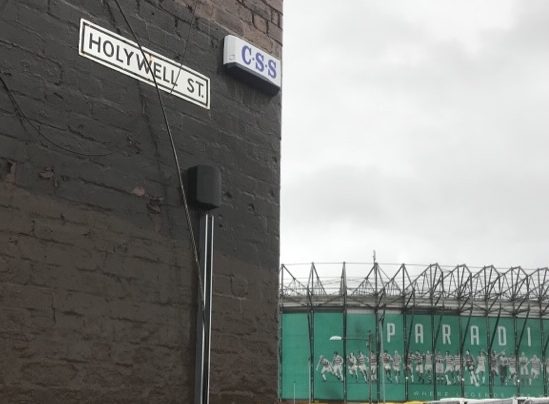
    HWS towers are based at 95 Holywell Street next to Celtic Park, get yersels roond.

  • Coming Down in Brighton

    J.J. Whelan ‘25

    His vision was blurred, and shadows danced across the ceiling of the dingy Brighton flat like ghosts mocking his downfall. The curtains were closed, but slivers of grey morning crept in through the gaps. Brighton was a wonderful playground at night, but a city that slept until the sun went down.

    He struggled through the stale fog of sweat, smoke, and regret. His mouth tasted like chemicals, and his head was full of shame.

    He didn’t know if he was alive or still tripping. The days had merged into one another; there were no clocks, no sense of time, just a constant cycle of intoxication. Somewhere between the third night and the fifth sunrise, he had lost count. The pool competition was the reason they had come—or at least that’s what they had said. He laughed bitterly at the thought now; no one had even touched a cue.

    His so-called associates were long gone. Some peeled off early, while others drifted into strange hotel rooms or tangled nights with women whose names no one bothered to ask. His associates all wore the same kind of jewelry: gold curb 22-inch chains with a small gold spoon attached. This was a symbol of their South East London manor. Over the course of the week, they had consumed everything—pills, powders, shots, tabs, lines—and to wash it all down, copious amounts of alcohol. Enough to numb a continent. Enough to kill a weaker man.

    The money had flowed freely. Cards slapped down on bar counters, folded notes handed to cab drivers and strangers alike. He hadn’t looked at his bank app even once. He didn’t dare to now.

    And yet, here he was, curled up in a makeshift bed made from a threadbare coat and a beanbag cushion in a flat that stank of death and the aftermath of wild parties. His body ached. His mind was wrecked. But the worst part was the silence after the storm had passed; all that remained was stillness. Stillness and shame.

    Now came the hard part.

    Back to London. Back to masquerading. Back to routine, family, jobs, shops, and small talk. Back to a world where people remembered what day it was. He had to face the mirror, and, worse, he had to face himself—the version of him who still had to play normal. The nice man George who answered phones and emails, and responded to “How was your weekend?” with a lie and a laugh.

    He rolled over, groaning, reaching for a bottle of warm water or vodka; he didn’t care which.

    There was no epiphany here. No grand realization. After a lost week in Brighton’s nightlife, now came the slow drag of consequences and the bitter taste of coming down.

    Time to go home and face reality.

  • The Covid Cell

    J. J. Whelan ‘25

    The door clicked shut on Day One.

    Fourteen days. Fourteen long days in isolation.

    The walls of the room hadn’t changed, but something inside him had. The silence was deafening. He was used to the adrenaline rush from work, the buzz of the city, and the distractions of routine. Now, there was only him, his thoughts, and his phone, which lit up with unkind voices.

    He had music, books, and WiFi. On paper, that sounded like comfort. But in reality, it was a recipe for disaster. His wife ensured he was eating daily and taking his sertraline as prescribed. His sons entertained him with jokes, but he was suffering deeply.

    By Day Three, paranoia crept in like damp. His mind played cruel tricks.

    “They’re all talking about you. A selfish pisshead, pretending to be something you’re not. You’re a functioning drunk at best, and even that’s generous.”

    He sat in the corner of the room, the blinds half-drawn, a bottle beside the bed. It wasn’t even top-shelf stuff, just enough to take the edge off. But the edge never dulled. It sharpened.

    His hands trembled during the day, and his chest tightened at night. Panic attacks came in waves. He thought about calling someone, but who? Who would understand without judging? Who would see the man behind the mask and not the headline he feared: Alcoholic Loses the Plot in Quarantine?

    By Day Six, he was running out of drink and out of excuses. He played old Alice Cooper tracks on repeat, read the same page of a book four times, and still didn’t comprehend what it meant. He scrolled through social media, watching people laugh, pose, and pretend.

    And the worst part? He missed the pretending. He missed pretending he was okay.

    On Day Nine, he hit the wall—literally. Fist to plaster. Blood. He stared at it as if it didn’t belong to him. That night, he didn’t drink—not out of strength, but fear.

    He looked in the mirror and didn’t recognize the man behind the eyes. Sunken, sweaty, unshaven. Scared. But human.

    He opened a new tab on his phone and typed in “men’s mental health support” and “Alcoholics Anonymous.” He needed both. Groups popped up in his area. He didn’t join that night, but he bookmarked the links.

    By Day Twelve, he attended an A.A. Zoom meeting. He didn’t say much—just listened. He heard stories that were worse than his, better than his, and the same as his. Real men, real talk. He cried when it ended—quietly. Safely.

    Day Fourteen came. The door unlocked.

    He didn’t run out; he walked. Slowly. Phone in pocket. Music off. He needed the sounds of the world again. But this time, he wasn’t afraid of being honest.

    He contacted A.A. and was called by a kind gentleman who took him to his first meeting, which was daunting, to say the least. Surely, I’m in the wrong place? he thought. All these people looked great and were having a laugh—not his perception of an A.A. meeting.

    He continued his journey and carries on his battle one day at a time, thanking his higher power for taking him this far in his quest to stay alcohol-free.

  • When the Music Broke My Heart

    By J. J. Whelan

    He woke up to the sound of Neil Young and Del Amitri. The old CD player had somehow turned itself on again, maybe a glitch, maybe fate. The morning light was muted by thick grey smog that hung over his London flat, pressing down like the weight he carried every day.

    The flat smelled of stale coffee and damp clothes. A half-written letter to his brother sat on the kitchen table, next to a collection of unopened mail and unpaid bills. He hadn’t left the flat properly in days. Maybe weeks. The days bled into nights, and the nights bled into the bottle.

    Neil’s dulcet tones sang “only love can break your heart,” and for a second, he thought of her. The girl who used to sit cross-legged on his floor, mouthing every word to Del Amitri’s Nothing Ever Happens as if it were scripture.

    But she was gone pushed away by his endless fear of getting close to someone. He was no monster. Just… broken. Tired. Sometimes too numb to care, sometimes caring too much to breathe.

    He dragged himself out of bed, more out of habit than hope. Looked in the mirror and didn’t recognise the eyes staring back. They looked older than twenty-five. Hollowed out. Haunted.

    He shuffled to the CD player to turn it off but paused. Del Amitri now. “And I hope I never figure out who broke your heart…”

    Something in that line cut through. Not a lightning bolt. Not a revelation. But a sliver. A crack of something real. It reminded him he could still feel, even if it was hurt.

    He didn’t cry. Not yet. But he sat. On the floor. Cross-legged like she used to. And he listened.

    That morning wasn’t a miracle. He didn’t call for help. Didn’t shower. Didn’t throw away the bottles.

    But he didn’t pick one up either.

    Sometimes, depression doesn’t leave. It lingers like smoke. But in moments like that, with Neil Youngs voice trembling through a scratchy stereo, it loosens its grip. Just enough to let the light sneak in.

    And for the first time in a long time, he listened all the way to the end of the song.

    This was the wake up call he required to figure out what he was going to do with his life. After six years in London it was time for a logistical change. A return to Glasgow was calling, sell up and start again.

    He returned to his old stomping ground and guess what, nothing had changed. Same culture of alcohol and drugs he left behind six years ago. He knew one thing he wouldn’t get caught in the rat race, but he seemed to forget that depression and mental health issues never leave you. They are always looking for a fix.

    J. J. Whelan

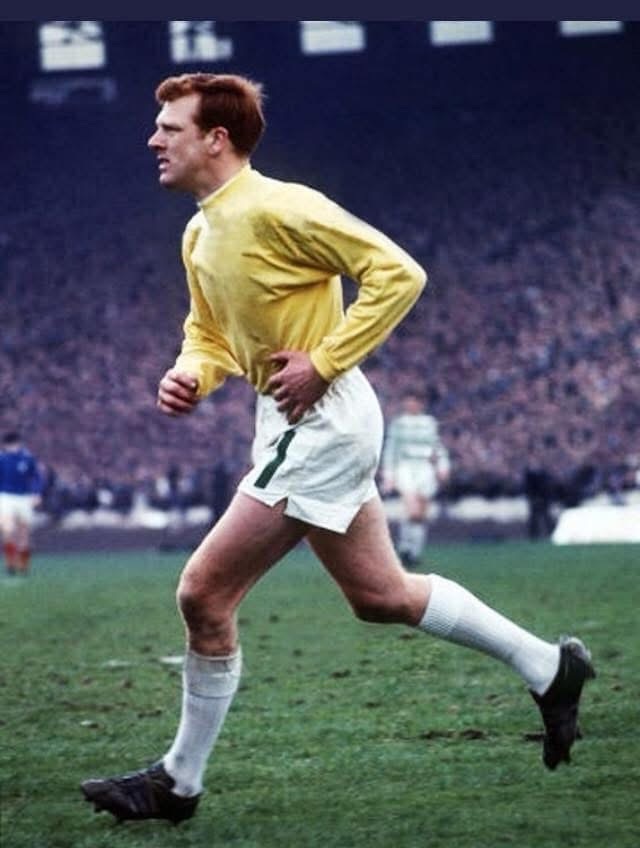
  • The Quiet Lion

    J. J. Whelan 23/06/25

    From Chaplehall he did hail
    For the hoops he’d never fail
    Not for the accolade or roaring fame,
    But for the badge, the crest, the name.

    Sweeper still, both strong and brave,
    Who read the game while opposition he did enslave.
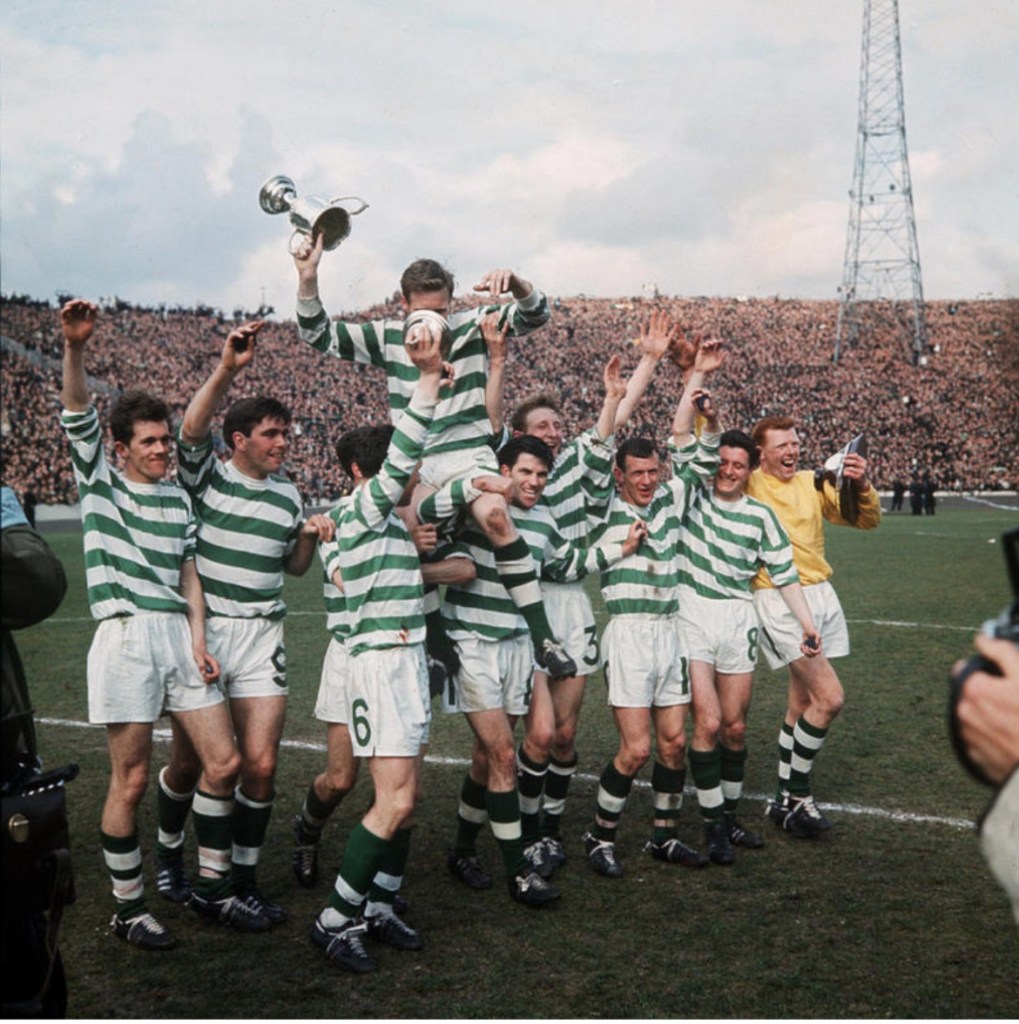
    McNeill beside, he held the line,
    In sixty-seven Celtics golden time.

    Quiet Man, with heart of steel,
    Shadow near, but always real.
    No swagger, just a Celtic soul.
    Who played his part in history’s goal.

    Through Hampden roars and Ibrox fights,
    Through storm and song and floodlit nights,
    Humble gent both on and off the park.
    Just did his duty,
    Famously he was John Clark.

    From a mining village to Paradise,
    He lived the dream that few entice.
    Lion, not for self or show,
    But for Celtics cause he fought we know.

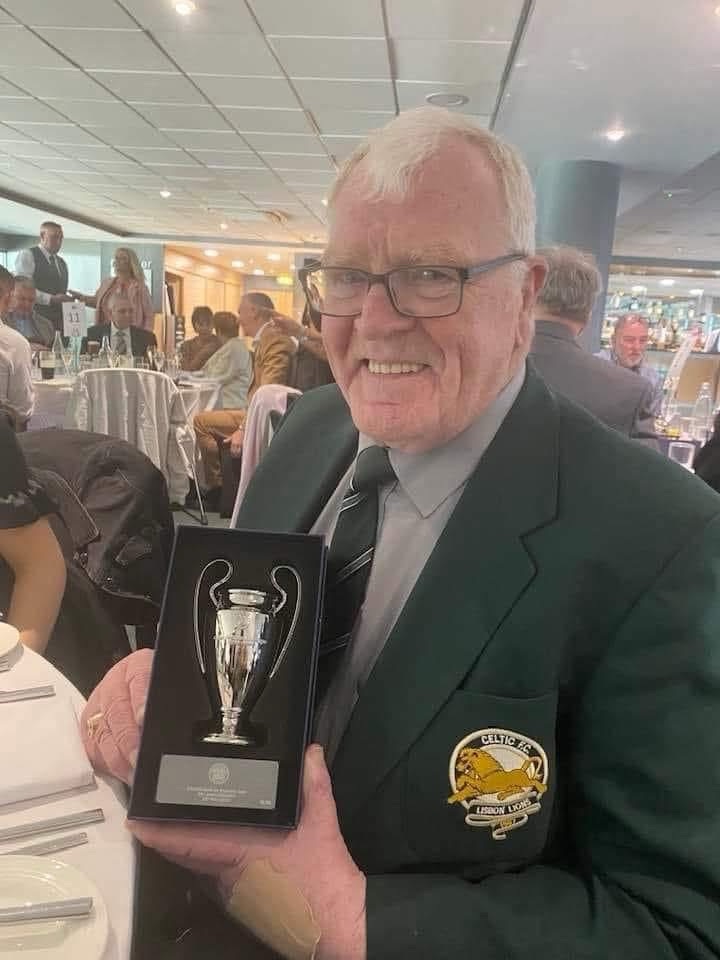
    Now Heaven’s pitch has one more great,
    A Lisbon Lion passed through those gates.
    So raise a glass and sing his name,
    John Clark, eternal in the game.
    🍀🦁💚


  • Lanarkshire Lights (1984–1991)

    We came of age beneath neon glow,
    Where jukebox dreams and discos flow,
    In smoky rooms where laughter stayed,
    Our youth was lived, not just replayed.

    Blantyre Victoria the humble start,
    Cheap pints, bold hearts, and dancing’s art. Rascals called us, wild and free,
    With beats that pulsed like destiny.

    Ziegfeld’s shimmered, full of flair,
    Mirror balls and backcombed hair. Bananas, mad and full of cheer,Where every Friday drew us near.

    Style was gospel, threads were king, We dressed to slay, not just to fling.

    From Lesley G’s with casual cool,
    Warehouse looks that broke the rule.And when the night required some grace, Skint the Tailor set the pace,

    Union Street, bespoke and bold,
    That suit that said, “I’m in control.”

    Then Hamilton called the next-level game, Park Lane’s rhythm, 3 D’s name.

    Flash of lights and crowded floors, A fashion parade through velvet doors.

    And then, the peak, we’d made the climb, To Rocco’s pose and perfect time.

    Gelled-up hair and tailored fit,
    Swaggering in like we owned it.

    From ’84 to ’91, Those nights we lived, those risks we’d run. No phones, no posts, just nights that glowed, On crowded floors where memories flowed.

    Lanarkshire’s lights, they burn so bright,
    Etched in our souls, each Friday night.
    We grew, we danced, we made our way,
    And still remember every sway.

    J. J. Whelan