Holywell Street

Celtic, Music and Subculture for lads and lassies

Category: Uncategorized

  • A Pishmas Carol

    Malky had just left The Balmore Bar and was heading hame through the dark dismal grey streets of Possil when the effects of the 10 pints of lager he had previously consumed started to work on his bladder. His back teeth were floating and he needed a pish urgently. He decides his only option is to go into the old London telephone box on Saracen Street to relieve himself before he pished his troosers. He opened the door of the manky sticker lined box and was hit by a combination o’ stale pish, damp newspapers, and that warm, vinegary smell that every auld phone box in Glasgow seemed to breed like mould.

    “Jesus wept,” Malky muttered, near wretching as he squeezed himself inside. The door creaked shut behind him, shutting out the streetlights and plungin’ him into that nicotine-yellow gloom that used tae shine doon on a million dodgy drug deals, affairs and drunken confessions.

    He fumbled with his zip, swayin’ like a man on the Millport ferry caught in a storm, the ten pints still dancin’ a rave in his bloodstream.

    Just as he let go and felt the blessed relief flowin’ through him, he heard it.

    A voice.

    A whisper, thin as smoke.

    “Malky…”

    He froze. Looked roon. Only the graffiti stared back at him, hearts, phone numbers, and the usual “Tammy is a cow” scratched into the metal.

    Then it came again, clearer this time.

    “Malkyyyy… ye shouldnae be daein’ that in here…”

    Malky’s stream cut off mid-flow as terror grabbed his spine.

    “Who’s there?” he slurred, eyes dartin’ about, tryin’ tae focus in the piss-perfumed haze.

    The voice sighed, long and mournful.

    “It’s me… the last poor bastard that went fur a pish in this box. And noo I’m stuck here… forever.”

    Malky’s jaw dropped. “A ghost? In Possil? Away ye go.” He’d seen many people in the street wae haunted, gaunt looking faces but a ghost in Possil?

    “Aye,” the voice replied, “and if ye keep pishin’ in here, you’ll end up hauntin’ the place anaw. This box disnae forgive, son.”

    Malky didn’t wait tae hear the rest. Zip half-closed, heart batterin’ his ribs, he burst out the door and charged doon the street like a man being chased by every hawker in the Barras.

    Behind him, the phone box creaked.

    And from deep inside, the voice whispered again.

    “Always look oer yer shoulder ya Dirty wee scudbook…”

    By the time Malky reached the end of the street, his heart had calmed jist enough for him tae realise two things.

    1. He’d still needed a pish, badly.
    2. He’d left the zip on his troosers sittin’ at a squinty half-mast, blowin’ in the wind like a sad wee flag of shame and his nuts were freezin aff him.

    But there was nae time to fix it proper, because as he staggered onto Hawthorn Street, three shadows peeled themselves off a close-mouth like hungry wolves. Hoodies up, faces covered, swaggerin’ with that pure Possil confidence wae a swagger that wid dry a washin, that comes from bein’ eighteen, bored, and full o’ Buckfast, and anything else they could get a high fae.

    “Awright, big man,” the tallest yin said, steppin’ in front o’ him. It wasnae a question really, it was a demand.

    Malky stopped dead, stomach churnin’. “Listen lads, I’ve nae money, nae wallet, nae watch, nae dignity left, I spent it aw in the The Balmore”.

    “Aye?” the boy smirked, flickin’ oot a knife that glinted under the orange streetlight. “We’ll take what ye’ve goat anyway.”

    “That’ll be ma last half a pish and a half packet o’ Polo
    mints then,” Malky muttered, hands up, knees bucklin’. His bladder gave a treacherous throb.

    The second boy stepped behind him. “Empty yer pockets, ya prick.”

    But before Malky could even raise a shaky hand, the street fell silent… colder… as if something unseen had slithered into the space between them.

    And from somewhere behind him far too close came a whisper he recognised instantly.

    “Malkyyyy… telt ye ye’d regret leavin’ that box…”

    The gang froze. Malky froze. The hair on everyone’s neck shot up like they’d been plugged into the mains.

    The tallest boy gulped. “Whit the fuck wis that?” “Hiv you came team handed ya tosser”.

    The tallest boy took a step back, eyes dartin’ left and right. “Seriously, who’s talkin’? Which one o’ youse is tryin’ tae be funny?”

    But none of them were laughin’. The second lad had gone as white as a sheet, and the one behind Malky was already inchin’ backward toward the close, knife lowered.

    Then the voice came again, louder, more aggresive, like it was crawlin’ up fae the drains.

    “Ye should’ve stayed in the box, Malkyyyy… I’m comin’ tae find ye…”

    And with that, a freezing gust whipped doon the street, rattlin’ bins, twisting’ up wrappers, and plungin’ the gang into full-blown panic.

    The lad behind Malky screamed, “NAW, I’M NO DEALIN’ WI’ GHOSTS,” and bolted, droppin’ the knife with a clatter that echoed right through the scheme.

    The other two turned as if tae chase after him but they didn’t get far.

    Because at that exact second, the ghost, if it was a ghost decided tae introduce itself properly.

    The smashed phone box light from up the street suddenly burst intae life behind them with a harsh electric neon light lighting up the street like the sun, even though it was half a mile away. And from somewhere between the pavement cracks, a low gurgling groan rose up like the drains themsel’s had learned tae speak.

    The boys bolted into the night screamin’, shoutin’ every swear word known tae Glasgow, and a few new ones invented on the spot.

    Which left Malky standin’ there, shiverin’, bladder hangin’ by a thread, tryin’ tae make sense o’ the worst night he’d had since the time he woke up in Drumchapel wearin’ a pair of lassies knickers and his eyebrows shaved aff.

    He exhaled shakily. “Thanks… I think?”

    But the ghost wasn’t done.

    The voice leaned in close, cold as winter standing at a gravestone.

    “Malky… that wis only the beginning. We’ve places tae go, son.”

    Malky staggered back, haun on his chest, feelin’ his heart pound like a drum Cozy Powell was beating.“Whit d’ye mean, places tae go? I’m no gaun anywhere except hame tae ma bed.”

    “Aye,” the voice replied, deepening tae a slow, echoing rumble, “hame… eventually. But first, we’ve business. Ye’ve already met me the Ghost o’ Pishmas Present.”

    Malky blinked. “Ghost o’ whit?”

    “Present!” the spirit barked, as if insulted. “The spirit o’ the here and now! The consequences! The chaos ye cause every time ye stumble roon steamin’, makin’ an arse o’ yersel’. Tonight’s wee encounter? That wis me… showin’ ye how the world reacts tae yer carry-on.”

    Malky swallowed. “So… yer like that ghost in the film A Christmas Carol?”

    “Aye. But ma version’s mair… Possil-specific.”

    Before Malky could respond, the street went silent again. Too silent. Not even a distant siren, not a single dog bark, just a cold hum in the air, like the world was holdin’ its breath.

    Then the ghost said,

    “And noo, Malky… ye’re aboot tae meet the Ghost o’ Pishmas Past.”

    A sharp wind ran right through him like someone had yanked open every memory he’d ever tried tae forget. The pavement beneath his feet blurred and twisted. The streetlight stretched like melted plastic. And with a horrible thump, he found himself standin’ outside his auld haunt The Balmore Bar but different.

    The signs were brighter. The pavement wasn’t cracked. And the folk comin’ out the door were younger HIMSELF included.

    Young Malky staggered oot the pub wae his Doctor Martin boots and Harrington on, laughing, carryin’ a guitar he couldnae play, braggin’ tae anyone who’d listen about how he’d “charm the knickers aff any lassie in the room” despite spillin’ half his pint down his white skinners.

    Malky stared, mortified. “Aw naw don’t show me this. I wis an arsehole and an eejit.”

    “Aye,” the ghost said, hoverin’ somewhere behind him, “and ye got worse.”

    Young Malky turned, tripped over a kerb, landed in a puddle, and shouted at the sky, “WHO PUT THAT THERE?!” before tryin’ tae start a fight wi’ a bin.

    “Why are ye showin’ me this?” the real Malky groaned.

    Because ye keep insistin’ that yer just unlucky. That trouble follows ye. But naw you cause it, like an eejit chasin’ pigeons in George Square.

    Malky forced his eyes shut. “Right. Fine. I get it. I’m an embarrassment. Can we move on?”

    “Aye,” the ghost said. “One mair tae go.”

    A chill settled into Malky’s bones a cold, crawling dread.

    “The last spirit,” the voice whispered, “is the one ye should fear the maist.”

    A huge shadow fell over him tall, silent, faceless.

    “The Ghost o’ Pishmas Future.”

    Malky gulped. “Is… is it bad?”

    The ghost didn’t speak.

    It just pointed.

    And far ahead, in the shifting fog, Malky could just make out… a phone box.

    A newer one.
    Shinier.
    Empty.
    Waiting.

    “Aw Jesus,” he whispered. “It’s no me stuck in there, is it?”

    But the shadow said
    Nothing.

    Malky stared at the new phone box glimmerin’ in the mist like some cursed shrine, his stomach knotting tighter than the time he ate a dodgy pakora in a taxi office in Barmulloch and vomited all the way home, much to the drivers dismay.

    He shook his head. “Naw. Ah’m no daein’ this. I’m no spendin’ eternity smellin’ like stale pish and broken promises.”

    The Ghost o’ Pishmas Future stayed silent, long arm still pointin’, its shadowy finger accusin’ him like a judge who’d heard enough excuses for one lifetime.

    Then the Present spirit, still a disembodied voice floatin’ around him like a sarcastic cold breeze whispered.

    “This is the path ye’re headin’ doon, Malky. The one where ye keep staggerin’ hame blootered, causin’ mayhem, and ignorin’ the warnings. One day, ye’ll end up stuck in that box… forever.”

    Malky felt his throat tighten. “But whit can I dae? I’m just tryin’ tae get hame. I’m no a bad lad. I’m jist… a bit unlucky.” If you had only listened and took heed ae whit Teetotal Tam hid telt ye all those years ago. Guys like you never learn and always know better. Truth is you only get worse.

    But the past version of himself already vanished into the mist had said it clearly with his actions.

    And that was when the twist came.

    From behind him, the real world suddenly snapped back with the sound of screechin’ tyres and shouts. A stolen car tore round the corner in the present day, some boy racers, music blastin’, headlights blindin’.

    Malky stepped back on instinct.

    The Ghost o’ Pishmas Future stepped forward on instinct.

    The car roared straight through the shadowy figure like it wisnae there and ploughed into the exact spot Malky had been standin’ moments earlier.

    There was a horrible crunch as it skidded, mounted the kerb, and smashed into the new phone box, obliteratin’ it into twisted metal and the safety glass that rained doon like hailstones, as the boys escaped the wreckage and ran off into the darkness.

    Silence.

    The fog evaporated.
    The shadows shrank.
    The future ghost dissolved like cigarette smoke in the wind.

    Only the Present spirit’s voice remained, low and weary.

    “See? That could’ve been you. Ye’re no cursed, Malky, ye’re just one daft decision away from real disaster every night ye stumble hame pished.” If only you had listened tae Teetotal Tam.

    Malky swallowed, legs shakin’, heart thumpin’ like a bass drum.

    “So… ah’m saved?”

    “Aye. For noo. But if ye keep gaun the way ye’re gaun? Next time, there’ll be nae ghost. Just bad luck catchin’ up.”

    Malky nodded, breathin’ deep, feelin’ a strange mix of fear and relief flood through him.

    Then his eyes lit up.

    “Wait… does that mean…?”
    “Aye,” the spirit sighed. “Yer free tae go.”

    Malky bolted behind the nearest hedge, fumblin’ wi’ his zip, finally lettin’ out the longest, most relieved, most emotional pish in the history of Glasgow. Birds scattered. Windows vibrated. Somewhere, a car alarm went aff.

    He exhaled like a man reborn.

    The Present ghost muttered, “For the love o’ God, Malky… try a toilet next time.”

    And then it was gone.

    Leaving Malky lighter, shaken… and wi’ a story nae bastard would ever believe.

    Malky, now several pounds lighter and spiritually traumatised, shuffled the last stretch toward his close. Every step felt like a miracle. Every streetlamp looked less like a threat and more like a wee beacon sayin’, nearly there ya hopeless bastard.

    When he finally reached his close-mouth, he stopped, leaned against the brickwork, and took a deep, shaky breath.

    “That’s it,” he muttered aloud. “Ah’m done. Finished. Nae mair drink. Nae mair ten-pint Tuesdays, nae mair after-work ‘quick ones’ that turn into carnage. Ah swear on ma last brain cell… never again. Teetotal Tam was right”.

    A pigeon above him cooed as if tae say “aye right big man”but Malky ignored it. He meant it this time he felt it. The ghosts had terrified the drink clean oot his system.

    He stumbled up the stairs, clingin’ tae the bannister like an old man clingin’ tae life. Every step creaked. His knees threatened mutiny. His vision wobbled like a dodgy satellite dish in the wind.

    When he reached his flat, he fumbled for his keys for a full minute before finally gettin’ them in the lock on the fourth attempt.

    Inside, the warmth hit him like a cuddle fae Miss World.

    He threw off his shoes one landin’ in the hall, the other somehow makin’ it into the kitchen and trudged into the bedroom.

    The mattress welcomed him like an auld friend he’d no’ appreciated in years.

    He flopped face-first onto the bed, half-on, half-off, arms sprawled like a starfish that had given up on life.

    “Tomorrow…” he mumbled into the duvet, “starts the new Malky. Healthier Malky. Responsible Malky.”

    Then, as sleep dragged him under, he added faintly.

    “And if ah ever see another phone box… I’m raising it tae the grun.”

    With that, Malky drifted off, still half-dressed, still buzzin’ wae adrenaline, but alive, saved by a ghost, a near miss, and the most cathartic pish in Glasgow’s history.

    He’d live to see another day.

    J. J. Whelan
  • The Croy Crusader

    I have followed Celtic since I was seven years of age and watched some fantastic footballers grace the slopes of Paradise, the likes of Johnstone, Lennox, Dalgliesh, McStay and McGrain, hail, rain sleet or snow I’m there.

    Although all through the eighties and nineties we were dire, we did get a bit of respite in ‘88 when we scooped the double in our centenary year. We had watched that other mob dominate Scottish Football with big name signings while we were stuck with a draconian board with biscuit tin mentality when it came to buying players. Their time was running out and so was their money.

    Celtic Park stood quiet, too quiet for comfort as the crowds attendances dwindled.
    A sleeping giant, they called it, though by the early 1990s it felt more like a dying man. The paint was peeling, the terraces cracked and cold, and the old boardroom clung to its power like moths to a flickering bulb. The soul was still there, buried deep under the rust and the debt, but it was fading. You could feel it in the crowd, in the sighs of the faithful who still came through the turnstiles more out of loyalty than hope. I was one of these hopeful fans.

    Every man and woman who wore the green and white back then knew the truth, our club was on its knees.

    The Bank of Scotland had called time. March 1994, that’s the date burned into memory. The club owed more than five million, maybe seven, depending on who you asked. The board was finished, the coffers were empty, and the wolves were at the door. Celtic, the people’s club, born in the East End to feed the poor, was staring down receivership.

    The shame of it.

    I remember standing in the pub that night, the same place we always met before a match, even when there was nothing to celebrate. The talk was dark, angry, hopeless. “They’ve run it into the ground,” someone said. “The Kellys and the Whites, they’ve bled it dry.” Nobody disagreed. There was talk of extinction, of the unthinkable Celtic Football Club gone forever.

    Then, out of nowhere, came a whisper. A name. Fergus McCann, he had been linked with club previously but was told in no uncertain terms to take his money and ideas and bolt, (how wrong were they) only because he would have found out the truth behind the crooked board.

    I’ll be honest, most of us didn’t know who he was at first. Some Canadian businessman, they said. A Celtic man from Croy who’d gone abroad and made his fortune. A wee fella in a bunnet with a stubborn streak. Nobody took it too seriously at the start we’d heard promises before. But something about McCann was different. He wasn’t there to beg or borrow. He came with a plan.

    When he landed in Glasgow that cold March week, the whole city seemed to stop and stare. The press laughed at him. The old board tried to block him. Even some fans doubted. But he stood there, straight-backed, calm, no nonsense and told them all “I will save Celtic”

    And by God, he did.

    On the 4th of March 1994, after days of fighting and negotiating, Fergus McCann and his backers took control of the club. Fifty-one percent. That was the moment the tide turned. He walked into that boardroom like a man on a mission, tore up the old rulebook, and told the bank Celtic was no longer for closing. He guaranteed the debts himself, took on the burden, and promised to rebuild the club from the foundations up.

    You could almost hear the sigh from Paradise that day, as if the old ground itself had taken a breath.

    Of course, not everyone saw it that way. McCann wasn’t there for handshakes and flattery. He was blunt, practical, business-minded. He didn’t pander to the press or the politicians or the ex-players. He wasn’t there to be loved he was there to do the job.

    He turned Celtic into a public company, opened the doors to the ordinary fans, and said“If you want to save your club, buy a piece of it.”Thousands did. I remember queuing outside to get the forms ordinary working-class folk, buying shares not for profit but for pride. It wasn’t just money we were giving him it was trust.

    That share issue, early 1995, raised millions. The heart of the club was beating again.

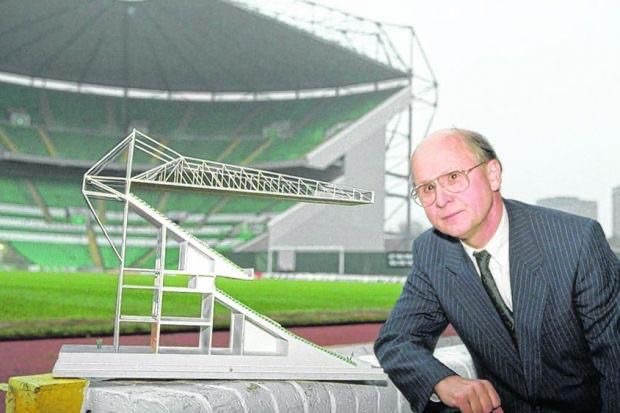
    Then came the rebuilding. Fergus tore down the crumbling terraces and built a new Paradise, stand by stand. Concrete and steel rising where the old jungle once stood, every brick a promise kept. People moaned about the mess, the noise, the inconvenience of having to move to the hell hole Hampden for a season but we could see what he was doing. He was laying down the future.

    The press called him a dictator. Some fans booed him. Even at the opening of the new stand, he was jeered by those who didn’t understand. But those of us who watched from the start knew the truth: he was the only man who had the courage to drag Celtic out of the grave.

    We didn’t need a showman we needed a saviour.

    And Fergus McCann, the wee man from Croy, was exactly that.

    Five years he gave us. That was the promise. Five years to steady the ship, rebuild the stadium, and set Celtic up to compete again. He stuck to every word. While others talked about passion, he talked about structure. While they chased headlines, he chased balance sheets. And in the end, he was right.

    By the late 1990s, Celtic were back on their feet. The stadium was magnificent 60,000 strong, roaring once more. The team was reborn. And when Tom Boyd lifted the league trophy in 1998, stopping Rangers’ bid for ten in a row, every Celtic fan in the world knew who’d made it possible and I stood there a grown man with tears running down my face.

    Not the suits, not the pundits, not the fair-weather fans but Fergus.

    He didn’t take a bow. He didn’t ask for glory. He simply kept his word. By September 1999, he stepped aside, selling his shares and walking away. The club was safe, stable, and proud again.

    And yet, even in his departure, the bitterness lingered from some corners. People said he was too cold, too strict, too businesslike. They wanted romance. But the truth is, when your house is burning, you don’t need poetry you need a builder. Fergus McCann was that builder.

    Looking back now, three decades later, I think of that time often. The fear, the anger, the disbelief and then the slow rise, the hope, the rebirth. What we owe that man can’t be measured in money or trophies. He didn’t just save our football club, he saved a part of who we are.

    Because Celtic was never just a team. It was the heart of a people, the voice of the underdog, the pride of those who came with nothing and built a life from the ground up. Fergus understood that maybe better than anyone.

    He never hid his roots. Born in Croy, raised among miners and grafters, he knew what struggle looked like. And maybe that’s why he fought so hard when others gave up. He wasn’t saving a business he was saving a legacy.

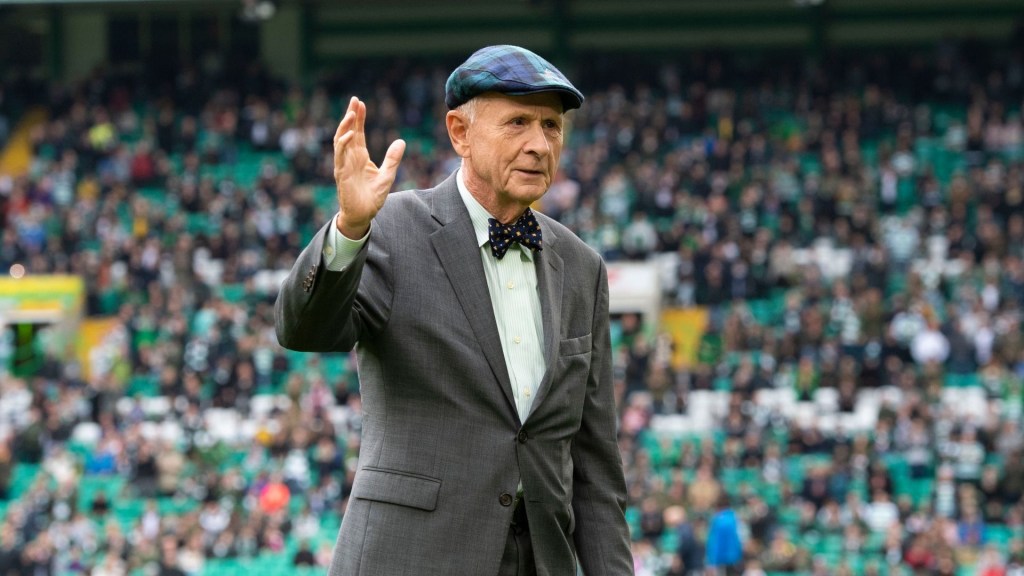
    I’ll never forget the sight of him that day at Celtic Park, standing proud in his bunnet, surrounded by the noise and the colour, and the fans still unsure whether to cheer or jeer. But time has done him justice. We see it clearly now.

    Every cheer that rises in Paradise, every flag that waves in green and white, carries a bit of his spirit.

    The wee man from Croy who stared down the bank, the board even the SFA and all the doubters and won.

    The saviour we didn’t deserve but will never forget.

    So when people talk about legends, about Larsson, O’Neill, or even Jock Stein, I nod along but deep down I always think of another name. Not a player or a manager, but the man who gave them a stage to shine on.

    Fergus McCann.
    The saviour from Croy

    THE CROY CRUSADER
     
    He hailed from Canada
    With an ambitious plan
    To save Glasgow Celtic
    Mr. Ferguson McCann
     
    A club on the brink
    And nearing the mire
    In stepped Fergus
    Modern day messiah
     
    They laughed and they scoffed
    At this odd looking chap
    Determined little fellow
    Who wore a cloth cap?
     
    Could have shut us down
    And started again
    But his love for Celtic
    Meant our history remained
     
    He stumped up the cash
    With a five year plan
    An all seated stadium
    With 60,000 fans
     
    Had a mighty task 
    In his quest for power
    Battled the authorities 
    Like a lion, he did devour
     
    The legacy he left
    Hard act to follow
    A profitable club
    No financial sorrow
     
     
    20 years have passed
    Now we gaze in awe
    At this house of steel 
    He built for us all
     
    The man they call The Bunnet
    A legend of Celtic Park
    Shall go down in history
    As a fine Patriarch…
     
    J.J. Whelan

  • Saint Martin

    We had Brendan in him we’d trust.
    As Ange left to our disgust
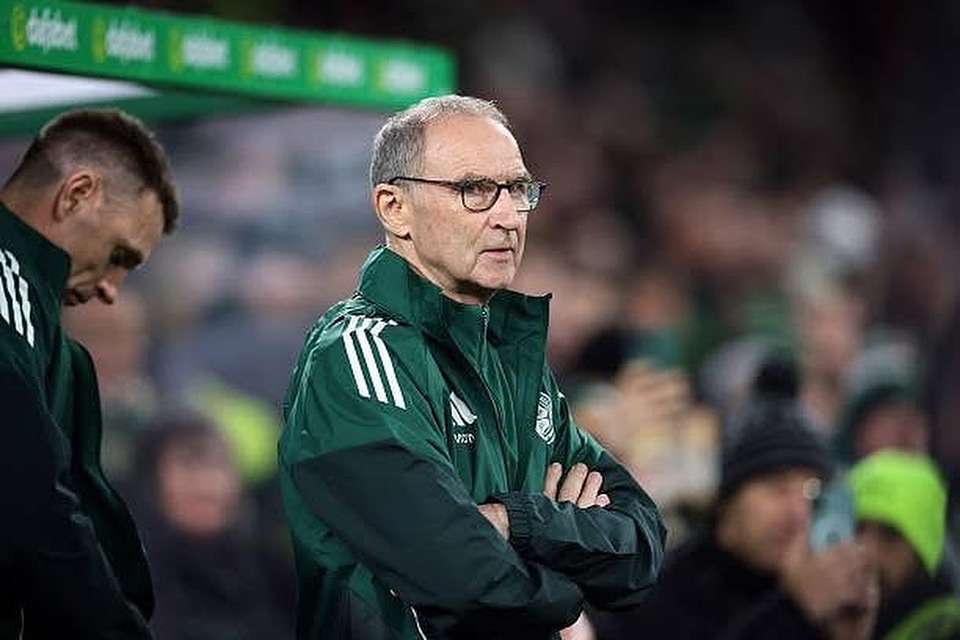
    Now Saint Martin’s called once more,
    To lead the Bhoys through bigoted war.

    Through turmoil’s storm we’ll stand as one,
    For Celtics fight is never done.
    From Seville’s light to Paradise roar,
    Saint Martin’s here to guide us once more.

    J. J. Whelan

  • Holywell Street chats to Barry Paterson

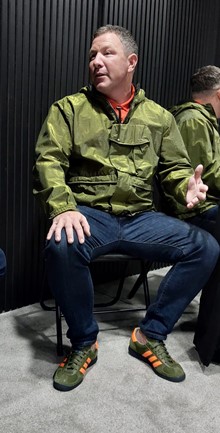
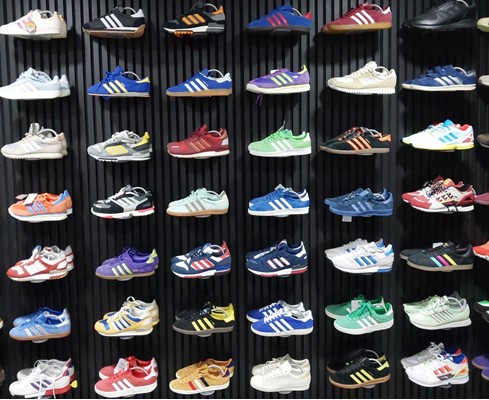
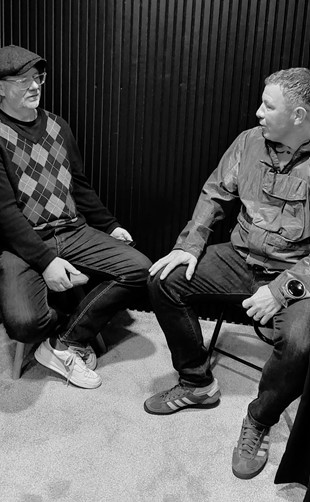
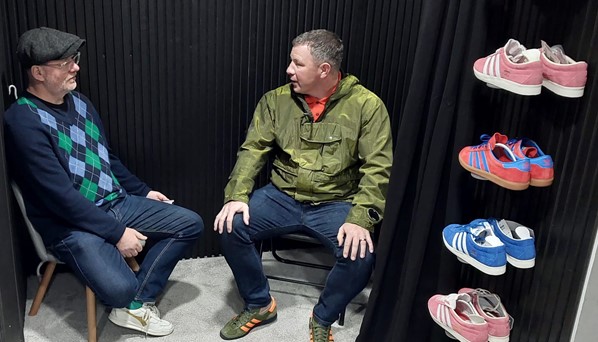
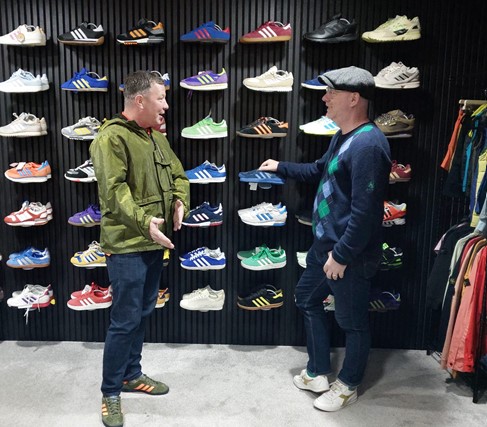
    HWS recently embarked on a short tour to meet Baz Paterson, the owner of the Turnstyles Casual Clothing shop in Rosyth. This cool store, filled with some unique styles and quality apparel, has been on our radar for quite a while, making it an ideal addition to our terrace and subculture section. Baz is a genuinely cool guy and invites a warm spirit. The shop showcases an impressive collection of second hand terrace clothing, all expertly curated to reflect the essence of the subculture.

    Hello mate, thanks for having us in. How’s things?

    I’m good mate thanks.

    I’ve visited the shop several times, and each visit reveals something new and intriguing or an item that catches my eye. Would you say your shop functions as a buy-and-sell shop?

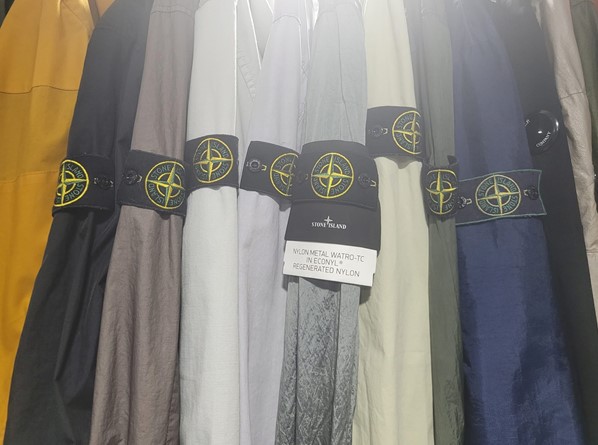
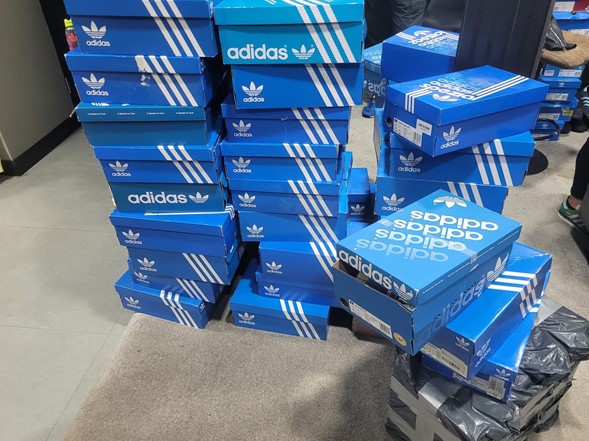
    Yes, absolutely, it is something we have always kinda done since we ran it from my garage conversion but that was more so with the kids clothing. For example the kids would grow out of a size 12 and trade it for a size 14. If I am being entirely honest when you first came through the door you mentioned this was an great concept it’s a hub where people can come and buy stuff, trade stuff and show each other stuff. It kind of evolved from there. However, with the amount of clothes and trainers we are going through we can’t restock it without buying from people. So, it has evolved from buying individual items to entire trainer collections or between 10 to 15 CP or Stone Island jackets at once. We are now working with a few wholesalers from whom we also purchase brand-new stock, so it is working very well.

    So, when did your love of the labels start?

    I would say I properly got into in the early ’90s around the Indie scene and I was also admiring the casuals that were still going about at that time. I was following what they were wearing and wanted a bit of it. I always remember probing my Dad for the gear and he telling me, ”Baz if you want this stuff, you will need to go and get it yourself by getting a job”. So, I got myself a job on the milk rounds which I did until I left school. I would earn and save up what I had to gain certain labels and a lot of the time the item would be out of fashion by the time I had saved up [laughter]. I suppose that’s how it worked though, the older casuals who hung about the pubs or the streets knew my Dad and would often hand things down to myself and my brother. We were by no means well off but my Dad was a contractor and he always tried to get us a holiday at least once or twice a year. So, on holiday where kids were perhaps buying plastic swords or cars that turned into robots and stuff, my brother and I would save our money up and get taken to the local sports shops which might be the Lacoste one, a tennis shop or a shop that sold Sergio Tacchini and spend our money. I always remember when we come back some of the young lads were always wanting to buy our stuff or swap things with us. That’s where the love of it grew as we did get some very decent stuff from our holidays some of it you couldn’t get in the UK.

    As things have evolved, I remain the same person. I am a firefighter. Unfortunately, firefighters do not earn a high salary, so spending £700 or £800 on a jacket is not easy for me. As a result, I began exploring options for swapping, trading, and purchasing second-hand items. This allowed me to get what I wanted at a fraction of the price. I decided to bring this concept into my shop to make it accessible for everyone else.

    Initially, I planned for this to be a local thing, but it quickly spread, and now we have customers coming from all over. Our social media platform still needs some work, but we’re making progress. I truly enjoy running the shop and appreciate the one-on-one engagement with customers. My two sons have also helped out; one of them is very interested, although he tends to dress more like an “Ultra” these days, always in black.

    I believe you started this wee empire from your garage at home. How did the idea come about?

    I have always been involved in buying and selling clothes and other items to fund my own habit of purchasing garments. However, when my young boy, Jasper, started going to the football, he also began wearing designer clothing, which was around the time he was about 9 or 10 years old. Like myself, he would go around the department stores and look at the prices, but then try to find it cheaper online. So, he would buy it from online platforms, even if it didn’t fit him, and then sell it to his mates and others. So, I kind of looked at the concept and thought it was a great idea. He was going around in the best of gear from an early age. I would say we kind of jumped into it together, and I gave him a fund to start and push it forward, and he gave me a decent return on it. Then I started looking into why I don’t take this any further. It was then his idea to start forming a group from lads from the football. He would zip about on his scooter, dropping things off for his mates, but then we decided to create a Facebook page, this is the page that we still have today. So, as much as I would love to take credit for something that seems to be an excellent idea, I would have to say it was stolen from my nine-year-old lad, Jasper. He has left me in the lurch, though, and he’s at the match dressed in black. I am standing here most weekends, making other people look smart [laughter].

    As we mentioned earlier, what I truly appreciate about this place is it that it feels like a hub as much as a retail shop, people come here not only to browse but to connect. Conversations seem to spark among like-minded strangers. This is a refreshing contrast to the trend we often see today, where shopping is dominated by large chain stores or impersonal online purchases.

    Yeah, that was the idea. I won’t mention any past retailers, but here, you can come in, have a chat, browse, and try things on without being followed around. Recently, some younger kids came in and tried on a £1,000 Stone Island jacket just to take photos. Rosyth has been great to me over the years, and since I’ve grown up here, I want to give something back to the community. Establishing a store like this in an area that has never had one before is completely different and exciting. There’s a similar concept in a nearby city, but this region hasn’t seen anything like it until now. That’s why we’re attracting so many customers from outside the town

    Again, when you mention a “Hub” I genuinely don’t think that was really in my thoughts initially. I think it was during the first couple of weeks and you came in and we had a long discussion about clothes, football and music and you called it a Hub, I now totally agree. That has evolved and it has actually brought me out of my shell. I have a close network of friends, the fire service – I have a shift of 12 people and I have my family. At work, I am basically with the same people at all times and I can switch off whereas here it can be constant. I saw you come in my first couple of weeks and I felt a bit out of my depth, but over time, I evolved and started to think, “I can manage this; I can consistently talk to people.” I don’t go out as much as I used to, so through this process, I have made many new like-minded friends from buying and selling. Additionally, I’ve absorbed a lot more knowledge on the topics. I agree, you will see lads outside that give each other a nod because of what they are wearing and even then it can spark up a conversation, it’s like that trainspotting hobby [laughter]. Yeah, funnily enough we had one of the camera men from Trainspotting in here the other week buying stuff, he was a interesting chap.

    The other thing I didn’t realise until recently is that it is good conversations when you are chatting to folk, but you are also helping them. It may sound strange, but it’s sometimes like a form of counselling. A few people might be struggling and they’ll come in and just sound off and then reminisce about old labels they used to wear and certain years they were about. Perhaps the kind of chat that might not be accepted in other places. Nobody would get frowned upon here if they were talking about past addictions or going through a tough time. I suppose most folk that come in are mainly working class so we relate to that, you get that personal touch as well.

    If you look at many high street retailers, you’ll find rows of colours. However, here you can choose a chrome overshirt, which is a recent release, or a 1986 Stone Island jacket that costs £1,000. I often feel nostalgic when I see some of these items, and I find it hard to let them go. But Ewen reminds me that I need to think like a business owner and make the decision to sell. Just like yourself, who has come in, bought items, and sold things as well.

    We always do this one, can you give us your top three trainers?

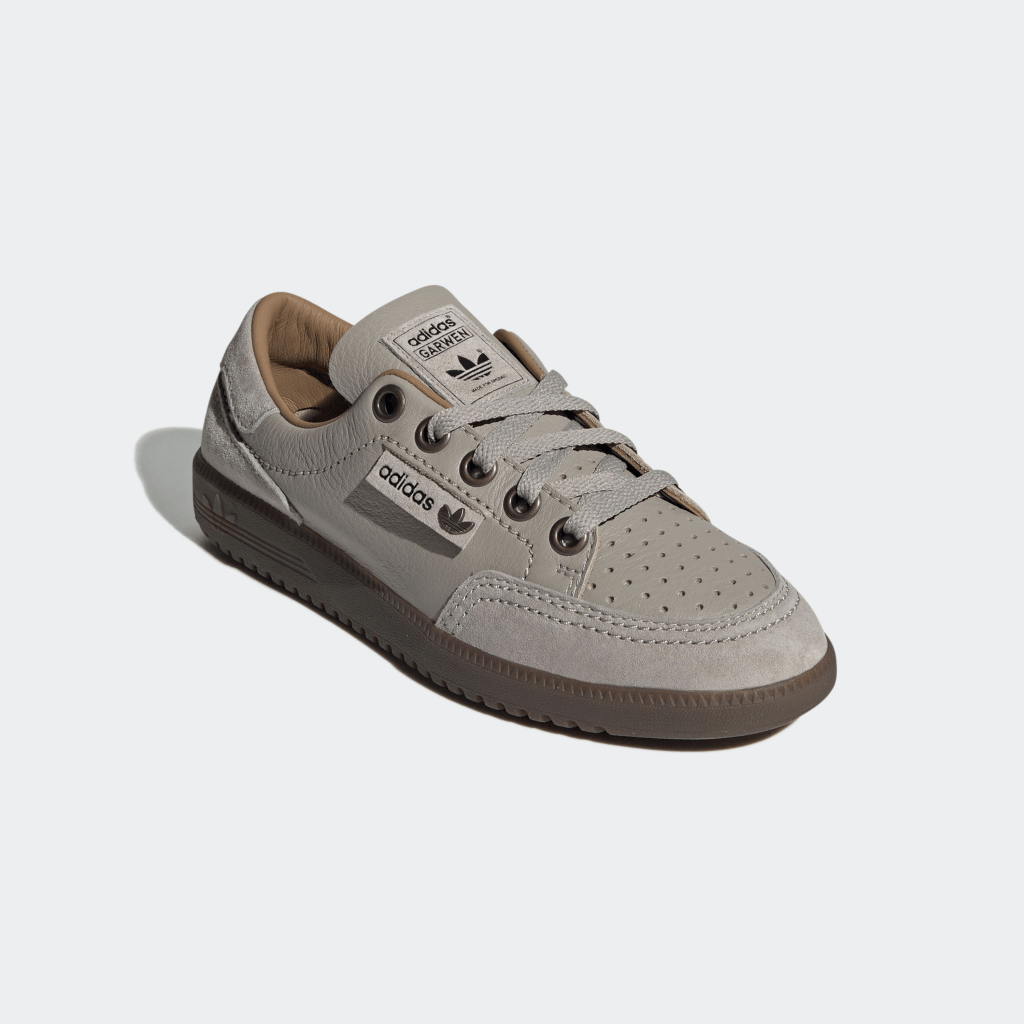
    This is obviously quite tricky. As you know I like a leisure touring shoe, so I would go with …

    Garwen Specials

    The other two would be …

    New York Carlos

    Adidas Green & Orange colourway Barrowland Specials.

    I believe the shop is a win-win situation for yourself at times with lads coming into sell an item that you admire yourself and would perhaps not make it onto your racks?

    There has been a lot of great stuff coming in lately, and I’ve really loved it. I told myself that some of it isn’t going to sit on the shelf. I’ve found clothes I haven’t seen in years, and they’re still in good condition. However, we do have rent to pay, so we need to stay business-minded. If we’ve done well—kind of like earning overtime at work—then I treat myself. I’ve even picked up some nice Burberry tops for my partner to keep her happy. We’re also noticing that a lot of girls are coming in to buy brands that were previously considered men’s clothing. The kids shop here a lot too, so they can show off their outfits at school.

    Do you have a favourite jacket of all time or a holy grail?

    Well, this is another tough one. Recently a lovely gentleman came in here and I bought a load of stuff off him. He offered me a 10C jacket at very nice price. I have wore it quite a lot recently and then to add to that one certain Liam Gallagher wore a similar one a recent Oasis tour. Mine was a lighter version but his was a collaboration one with “Awake” which is a New York fashion designer. So, there has been various Stone Island jackets I have wanted over the years but never been able to afford but top of the list just now would probably be that 10C “Awake” one.

    I have noticed you have had a load of the ZX600 yellow and grey original colour come into the shop, how quick do they sell?

    Yeah, we actually have a pair on the shelf there from I think it was the 2006 release and they are in good condition. But the 2024 release come into the shop a lot and they go very quick to be honest they don’t make the shelves, I put them on the Facebook page. I even have a list of people wanting them and for me to contact them when they come in. To be honest, I don’t sell them at big prices. A brand new condition would be about £115 which isn’t much more than they originally came out at. Ebay tends to sell them a lot higher at around £160.

    And does Baz Paterson have a favourite music album he would go to?

    Aye! It might be not what you would think weirdly enough. I mean I loved the Stone Roses growing but my favourite album out the lot is the *Garage Flower* which was released in 1996 but originally recorded in 1985 but they didn’t think it was a good enough to make the market. I think that’s what I like about it, it is rough, raw, disorganised and perhaps a bit chaotic. It’s an album one that I will always play whether it’s at the Gym in the car it is a go to album for me. I like the beats, it is heavy on the drum it just feels a wee bit off centre. Folk might say you chose an album that they didn’t really want to release compared to the other ones. But that’s the fun of it for me, they weren’t happy with it, it was a bit raw and different.

    Another one I like is “Hats Off to the Busker” from The View. I actually received a sample of it before it was officially released, which they sent around to record companies. I spoke with Mo, the drummer, to confirm that. Even after the album was released, I preferred the sample version because it had a rougher edge. It was similar to the album, but I always gravitated towards the sample. Perhaps that says a lot about me—I don’t really enjoy things being too perfect [laughter]. I appreciate a bit of chaos.

    I also love B-sides, especially those from Oasis and Primal Scream; those hidden gems. Much like my taste in clothing, I don’t often change my preferences. When we were younger, we would go to the QMU, Barrowlands, King Tuts, The Venue, Liquid Rooms and check out bands that were still on the rise. We might have heard a couple of their tunes on the radio but not known much about them, and we’d buy £13 tickets. Then, we’d often discover some great tracks that would later become big hits.

    Finally can you give HWS any INs and OUTs for this week?

    INs:

    Vintage Burberry

    Rubicon Fruit Flavour Juice

    Apologising when you have been out of order.

    Smiling in a photo

    Local Boozers

    Acknowledgment of friends success

    Standing out from the crowd

    90s fit jackets

    OUTs

    Weight loss obsessives giving dally size updates.

    Gym selfies

    Lane cutters and no indication at roundabouts

    Trusting politicians

    Wearing black to the match!

    Entering trainer raffles and extorting people by double pricing.

    Thanks for having us Baz.

    No worries, thanks for for visiting.

    Thanks to Baz, Nadine and Derek Monaghan for the photos.

    *Turnstyles Casual Clothing can be found at Parkgate Rosyth, Fife KY11 2JW. They can also be found on Facebook and Instagram*

  • The Recovery Crew

    J. J. Whelan

    It was a cold October Saturday morning in 1987. Charlie stood over the bed, carefully laying out his armour for the day, the Stone Island trench coat, the Next jumper, Lois denims, and, pride of place, a fresh pair of Adidas ZX600s. He wasn’t just dressing for football, he was preparing for battle.

    Soccer hooliganism was at its height, and Charlie was a committed member of the Celtic Soccer Crew. The match itself was only half the attraction. The other half was the ruck, the clashes with rivals that had become ritual, almost expected.

    Despite the violence, there was a strange order to it all. The top boys from each crew knew each other and worked by an unspoken code. Respect ran both ways, even as fists flew on Saturdays.

    For Charlie, the day began as it always did, an early meet at Bairds Bar. Pints were poured, tactics discussed, and the table scattered with lines to keep the lads marching well into the afternoon.

    By midday the streets around the Gallowgate were buzzing. The air smelled of fried onions, cigarette smoke, and tension. Charlie and the crew moved in a pack, sharp-eyed and restless, blending with the flow of ordinary fans but marked out by their swagger and clobber.

    Every Saturday was a ritual. The march to the ground, no matter what city, the songs, the stares exchanged with whoever dared cross their path. But the day wasn’t just about Celtic. It was about who was waiting at the other end, a rival firm hungry for a scrap, just as eager to prove themselves.

    Word filtered through, as it always did, by whispers and phone calls. The meet was set. Away from the glare of the police, away from the prying eyes of the press. A dance, as the old hands called it. Both sides knew the score. No weapons, no rules but their own. Just fists, boots, and pride.

    Charlie’s heart thumped as the lads drained their last pints and filed out into the grey city daylight. The chatter died down. Coats buttoned up, collars up trying to obscure their face. Somewhere, on some patch of forgotten ground, respect and rivalry were about to collide once more.

    These crews rivalled for years, each determined to come out on top, not just in battle but in clobber too. Stone Island, Gabicci, Lois, Adidas: the uniform of war, and the unspoken competition of who wore it best. It wasn’t just fighting; it was a culture, a way of life.

    But the game came at a cost. For some, it messed with their heads, rewired the way they thought. To this day, many are still living in those memories of the ’90s, replaying them like old highlight reels in their minds.

    A lot of the lads eventually settled down, swapped Saturday scrapping for mortgages, school runs, and quieter lives. But not everyone found peace. For some, the come-down was too hard. The chaos of those years left scars, and when the buzz of the battles faded, they filled the silence with drink, drugs, or both. A few never made it out at all.

    Charlie, Frogger, Choppy, and Davy , lads who once squared up against each other from rival crews all over the country, began to see the same thing. There was a gap, a void, where no one was reaching out to the men who had lived that life, men like them. The scars weren’t always visible, but they were there, the sleepless nights, the guilt, the bottles emptied to quiet the noise.

    So they did something no one expected. They came together and formed a men’s mental health group, fittingly called “Keep The Heid.” What started as a few voices round a table grew into something bigger. Old friends, old enemies, lads who once traded blows on railway platforms and backstreets, now sat side by side, talking openly about the battles in their own heads.

    The group struck a chord. Word spread. Keep The Heid became a lifeline for many, a place where the hard men of the terraces could finally admit they weren’t bulletproof. They were young men full of fear ego and bravado. Rivalries melted into respect. By talking, by listening, by keeping the heid, they managed to save lives that might otherwise have been lost.

  • The Pink Panther

    J. J. Whelan

    It was a cold bleak late September morning 1981 when we were heading for to board the bus outside St. Joseph’s for our first ever holiday without our parents. Blackpool for September weekend was the place to be. I was only 15 years of age and only allowed to go because my 2 big brothers were on the same bus and would look after the 4 of us, Jimmy (me) Babe, Shug and Big Nally. Truth be told we never seen them from the journey down till we returned, Tam and Marky had travelled down with Tams family but we had all agreed to meet up that evening and start our adventure in the town of tram cars, kiss me quick hats and loads of young ladies for our delight.

    The bus was buzzing, packed with voices louder than the engine, carry-outs clinking in bags, the smell of smoke already drifting down the aisle. None of us had a clue what we were in for, but that was half the thrill. We weren’t boys anymore, at least not in our own minds, we were heading south, chasing the madness, chasing a freedom that felt bigger than anything back home.

    By the time we rolled into the town, stiff from the journey and wide-eyed with excitement, the sun had burned through the morning chill. We dumped our bags in the dingy digs that would be home for the weekend, nothing more than four walls, two squeaky beds, nylon sheets and a kettle that barely worked. None of that mattered. What mattered was that night, our first night on our own, pockets light but spirits heavy, waiting for Tam and Marky to show face so the real fun could begin.

    By the time darkness fell we were buzzing, all four of us crammed into that tiny room trying to get ready with a half-broken mirror and tunes crackling out the wee radio we’d brought. We didn’t care what we looked like as long as the shirts were clean, the shoes polished, and we had enough money for drink and the door fee. Tam and Marky showed up, already a few in, big grins on their faces as if they’d been waiting all day for the madness to start.

    We made our way down the strip, neon lights of amusement arcades and bars pulling us in like moths to a flame. Every bar we passed spilled out laughter, shouting, and music, but it was The Gaiety Bar and Dixieland we were heading for. Everyone talked about it back home like it was some rite of passage.

    Outside the Dixieland the queue was already bouncing, lads our age trying to look older, girls dolled up and giggling, the bouncers stone-faced at the door. My heart was thumping as we edged closer, praying they wouldn’t clock how young I was. When they finally waved us in, it felt like stepping into another world.

    The heat hit first, then the smoke, the smell of sweat and cheap perfume. Lights flashing red and blue, the DJ blasting tunes that rattled right through your chest. We pushed through the crowd, wide-eyed, soaking it all in, the dancefloor packed, the bar heaving, bodies everywhere. Babe shoved a drink into my hand before I even knew what was happening.

    That was the moment it began. No parents, no rules, just the chaos of Dixieland swallowing us up.

    Inside Dixieland, it was carnage from the off. The drink hit fast, none of us used to it, and suddenly the world was spinning with flashing lights and thumping bass. We tried dancing, but mostly it was stumbling about, spilling pints and laughing until our stomachs hurt. The girls were older, sharper, and we couldn’t believe some of them even gave us the time of day. One minute you were chatting rubbish in the smoking area, the next you were snogging someone you’d only just met. That was the night innocence got lost in dark corners and cheap hotel rooms, awkward and clumsy but unforgettable all the same. We became men, bragging rights were ours now as the cherries had been lost.

    Of course, the fights came too. Someone shoved someone on the dancefloor, Tam stepped in, and before long fists were flying, bottles smashing, bouncers charging through the crowd. We scattered like rats, shirts torn, knuckles bleeding, laughing as if we’d won some sort of badge of honour just for surviving the chaos.

    By Sunday, the madness hadn’t slowed. We were skint, hungover, and restless. That’s when the toy shop window caught our eye, seven six-foot teddy bears sitting pretty behind the glass like they were mocking us. Marky, always the hothead, put the first boot in. The plate glass exploded, slicing his foot to bits, blood pouring everywhere, but in the madness we didn’t stop. We hauled those bears out like trophies, dragging them down the street while folk stared in disbelief.

    We tried to flog six of them for beer money to no avail but I was keeping the Pink Panther as a memento. Couldn’t part with it. For years it hung from my bedroom ceiling by a noose, swaying in the dark like some warped souvenir of the holiday that changed everything.

    Marky spent the rest of that night in hospital, stitches pulling tight across his foot, grinning through the pain like it was worth every drop of blood. And maybe it was. That trip wasn’t about beaches or sunshine, it was about us crossing a line, stepping into a world where the rules didn’t apply, where we found out who we really were when nobody was watching.

    The journey home was just as wild as the weekend itself. Big Frank had somehow managed to charm a girl on the bus, and before long the two of them disappeared under a blanket at the very back seat. The whole bus roared with laughter, wolf whistles and chants, but he didn’t care,never came up for air till we were half way up the motorway.

    Me? I was busy offloading the last of those bears, slipping them to my brothers’ pals’ girlfriends for a few quid a pop. My brothers weren’t impressed, looking at me with that mix of disgust and disbelief, like I’d dragged the family name through the gutter. I just laughed, pocketed the cash, and thought of the Pink Panther swinging from my ceiling for years to come.

    When the bus finally pulled back into town, we stepped off different lads than the ones who’d boarded a few days before. Tired, battered, grinning through bruises and hangovers, carrying stories we’d tell and retell for the rest of our lives.

    It wasn’t just a holiday, it was the weekend we crossed the line, where childhood got left behind in the smoke of Dixieland and The Gaiety Bar in stolen teddy bears, in blood on broken glass, in awkward nights with girls whose names we barely remembered. A weekend we would never forget.

  • The boy who never grew old

    By J. Duffy

    Jim and Michael had been inseparable since they were young boys. Growing up in the west of Scotland, their lives were intertwined with shared dreams, laughter, mischief, and faith.

    Michael’s dad, Wullie, was a diehard Rangers fan and a season ticket holder who cheered loudly with his son from the Ibrox stands at every home match. His mother, Teresa, on the other hand, was a devout Catholic who ensured that he attended Mass with his two older sisters every Sunday, teaching them the importance of faith and kindness.

    Jim, his best mate, was a passionate Celtic fan who followed his team home and away. Their football rivalry was mostly playful banter, teasing each other with good-natured insults, sometimes venturing into the old sectarianism inherent in the west of Scotland, but always in jest. They knew their friendship was stronger than any rivalry, and their teasing was just a part of childhood camaraderie.

    As the boys’ confirmation approached, they felt both excitement and nerves, with the excitement mostly revolving around how much money family and friends would gift them. They knelt side by side in church, dressed in their Sunday best, ready to take the next step on their spiritual journey. The bishop, a kindly man with a gentle smile, was there to bestow the Holy Spirit upon them.

    During the ceremony, while waiting for their turn to be anointed, Michael pulled up his trouser leg to reveal a pair of royal blue Rangers socks. Jim leaned in and whispered in his ear, “You’re an orange bastard.” Both of them broke into fits of giggles, caught up in the innocence of childhood teasing, knowing it was all in good fun. That day, they felt a profound sense of belonging, both to their faith and to each other.

    **Tragedy Strikes**

    Six months later, when the two pals had moved on to “big” school, everything changed in an instant. It was a balmy Thursday night in early summer. Michael’s 13th birthday had just passed, and he was proudly showing Jim his new bike—a ten-speed racer that was top of the line in 1981! Suddenly, a car came speeding around the bend, and before Michael could react, he was knocked off his bike, his head hitting the tarmac with a thud. He lay unconscious on the ground, a small trickle of blood coming from a tiny cut on his head. An ambulance arrived quickly, and Michael was rushed to the hospital. Jim could see Michael in the ambulance; he had regained consciousness and was talking and smiling, still full of life. The paramedics assured Jim that Michael would be fine, and it felt like a lucky escape.

    Jim cycled home and told his parents that wee Michael had been “knocked doon.” His mum asked how he was, and he replied, “Well, he was talking away in the ambulance.” “Well, he’ll be fine then,” his mum said. Jim felt instantly happier; after all, his parents were never wrong. That night, he went to bed with the horrifying events of the previous hours still fresh in his thirteen-year-old mind. At that age, hugs, kisses, and reassurances were kept to an absolute minimum, leaving him alone with his thoughts.

    That Sunday, after Mass, where his best pal was prayed for, the phone rang. It was Teresa, Michael’s mum. “Would you like to come up to the hospital and say goodbye to Michael?” she asked. “Eh? But he’s going to be okay! He was talking away to the paramedics; he was fine! My ma and da told me so!” he thought.

    That afternoon, with heavy hearts, they turned off his pal’s life support machine. Jim was allowed to say a final goodbye. He gently touched Michael’s shin, recalling the little bruises from countless games of football, where Davie Cooper faced off against Murdo McLeod; it was always Davie Cooper and wee Murdo. In the distance from Michael’s hospital bed, he could see Ibrox; his pal would have smiled. Devastated, Jim was inconsolable at the passing of his best friend; it left a hole in his heart that would never truly heal.

    At Michael’s funeral, Jim was asked to do a reading. Standing on the pulpit and staring at the coffin with his pal inside, wearing his full Rangers strip, he read with a trembling voice, the words echoing the depth of his grief. When the service was over, he returned to school, expecting some sort of outpouring, some acknowledgement of his life, of their friendship. But life had already moved on. There was no fanfare, no counselling, no grand gestures—just a quiet return to everyday life. Yet inside, Jim carried the weight of loss, never forgetting his wee pal.

    Years later, Jim still follows Celtic home and away, but he remembers his Rangers-daft wee pal with affection. He thinks of the boy he called a wee turncoat, who had the biggest heart of anyone he knew. He often reflects on his wee pal, the boy who never grew old.

  • Dirty Circus – Wigan’s Finest

    Hailing from Wigan and Leigh, they first catapulted to the top of the North West music scene in 2005; becoming notorious for energy packed raucous live performances and winning an army of devoted fans, known as the DC Elite, giving the band football terrace style support. With an impressive CV including a label deal with Columbia Records, work with Hacienda Legend Mike Pickering, a tour support slot to Madchester royalty Happy Mondays, and a very special appearance at Glastonbury Festival, they’re back for round 2 and seem to have something of a point to prove.

    HWS have been following their progress for some time; Paul Kealy part of our forwarding thinking progressive editorial team put us onto them last year.

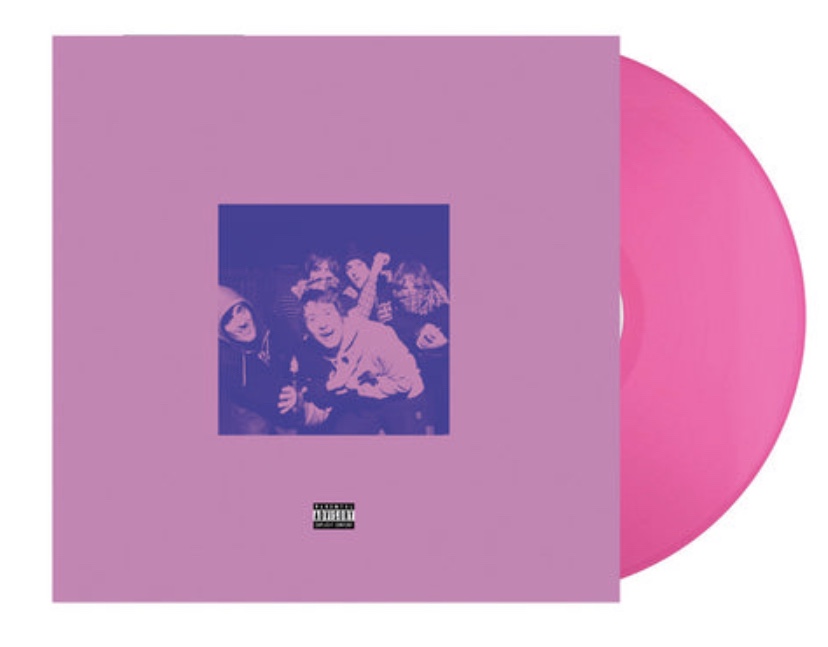
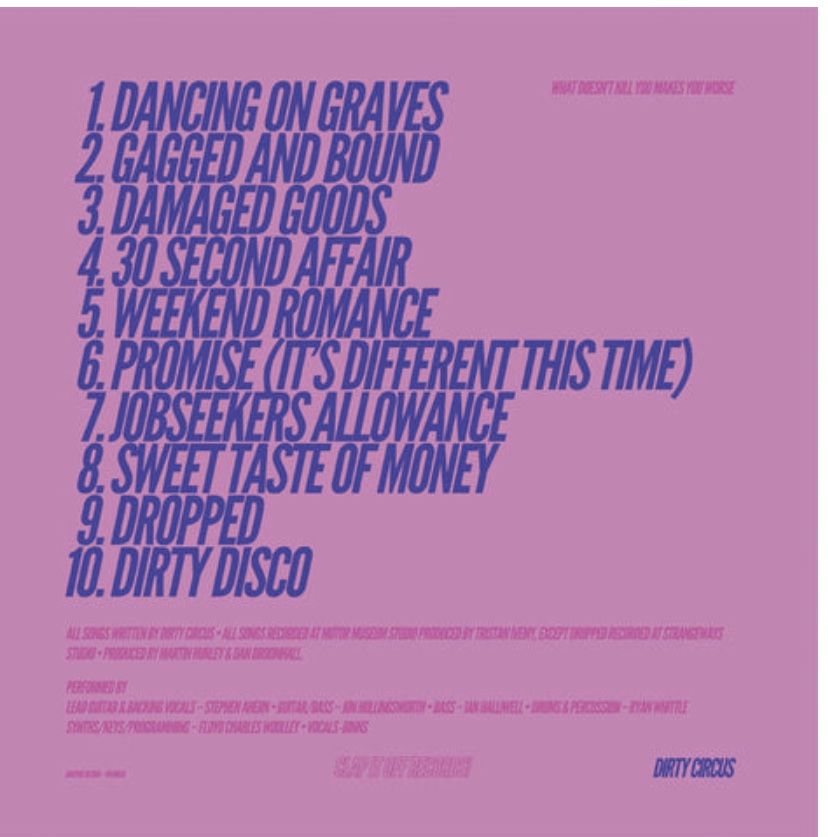
    The re-released album What Doesn’t Kill You Makes You Worse was released on 4 March 2019. The story behind this record could be made into a film.  The successful band having been dropped by their major record label, the demos go missing for a 10 years and are rediscovered on an old computer drive and re-mastered.  Class.

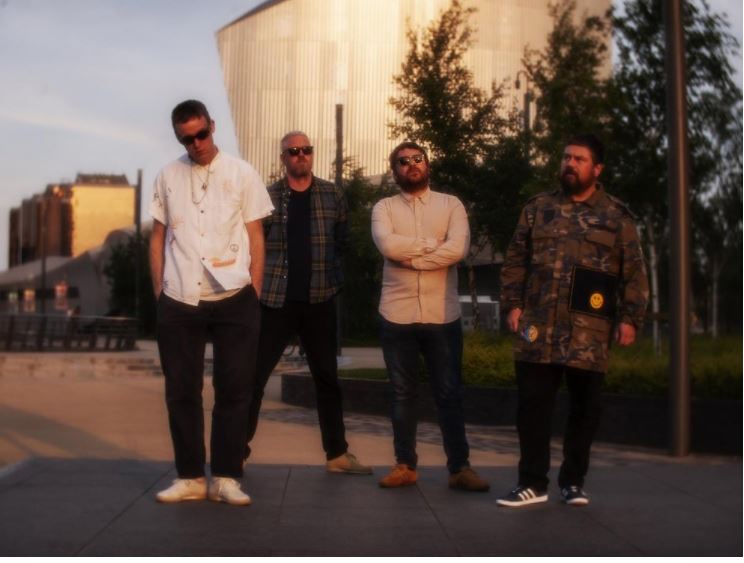
    Originally a six piece band they returned as a four piece in 2017 to sold out shows and excited public; this was after meeting up at Stevie (Ahern)’s wedding mainly for a piss up.  The other boys Floyd and Ian didn’t want to do it any more. Respect.

    Christopher ‘Binnsy’ Binns (vox)

    Stephen Ahern (guitar)

    Jon Hollingsworth (bass)

    Ryan Whittle (drums)  

    Dirty Circus made their Glasgow debut at the world famous McChuills on 30 October 2021; free entry as well. This spurred on local bhoys Acid Ultra’s to remix one of their singles ‘Sunshine’ Premiered on 22 Oct 2021 via You Tube.

  • You’ll Never Walk Alone

    J. J. Whelan

    In Paradise the banners rise,
    Green and white beneath the skies,
    The faithful gather, heart to heart,
    From every corner, worlds apart.

    Through wind and rain, through joy, through pain,
    The anthem lifts, a sweet refrain,
    Chorus born of soul and stone
    You’ll never walk this road alone.

    The Lisbon Lions carved the way,
    Their memory still echoes today,
    From Hampden’s roar to Europe’s stage,
    Their story written, page by page.

    When the voices join as one,
    The fight is fought, the battle won,
    For Celtic’s more than just a game,
    It’s love, it’s life, it’s in the name.

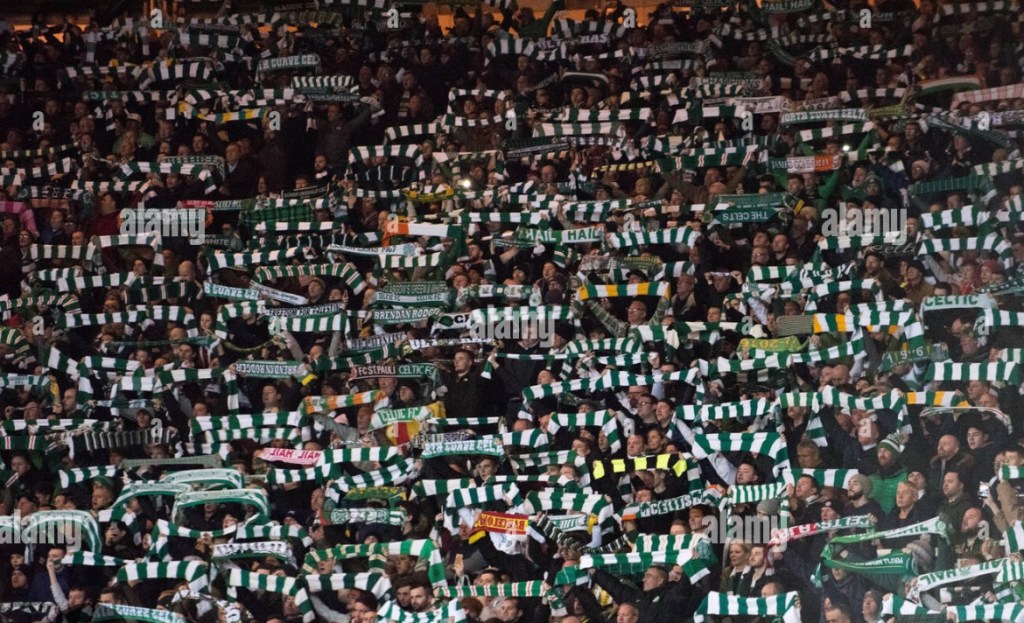
    So raise your scarves, let voices soar,
    Together stronger evermore,
    For in this song our spirit’s shown:
    At Celtic Park you’ll never walk alone.

  • It’s maself!  Back by popular demand … huddle round for HWS INs and OUTs live from Tenerife…

    IN:

    Arm wrestling yer cat

    The Hoops Bar Tenerife

    The Brannigan Crisp lorry driver

    Doing the school run dressed as an Afghan Hound

    Priya Sharma from Emmerdale

    The Celtic 

    Shouting out: “er she/he is though!” to everyone that walks into the workplace.

    Jimmy Whelan on the team

    Speaking through yer nose on a conference call.

    The all-time greats.

    Having a Cirry oan 

    Beard gardens, only allowed entry with a beard.

    OUT:

    Paddy from Emmerdale 

    Brexit 

    Kris Boyd (only in the studio for a cirry oan)

    That Simply Red song: “Lovvvve the thought … lovvvve the thought!’ and “I lovvvve the thought of coming home to you …”

    Song lyric: “I didn’t think I was hungry til I tasted you” 

    The price of a chippie 

    The quote: “everything happens for a reason” cosmic forces crap!

    The words “Holliebobs” and “Amazeballs” 

    My hollibobs was amazeballs

    Face walking into cobwebs first thing in the morning.

    Man bun and massive ear lobe rings. 

    That’s that then!  Don’t take it serious. Love it or leave it, delete it, report it, avoid it or embrace it.  Have a decent weekend.  Switch off everything at night.

    Holywell Street offices are located at 95 Holywell Street adjacent to Celtic Park. Pop along and see us! Bring awe yer mates. Paul Kealy make’s tantalising Lamb Buhna.